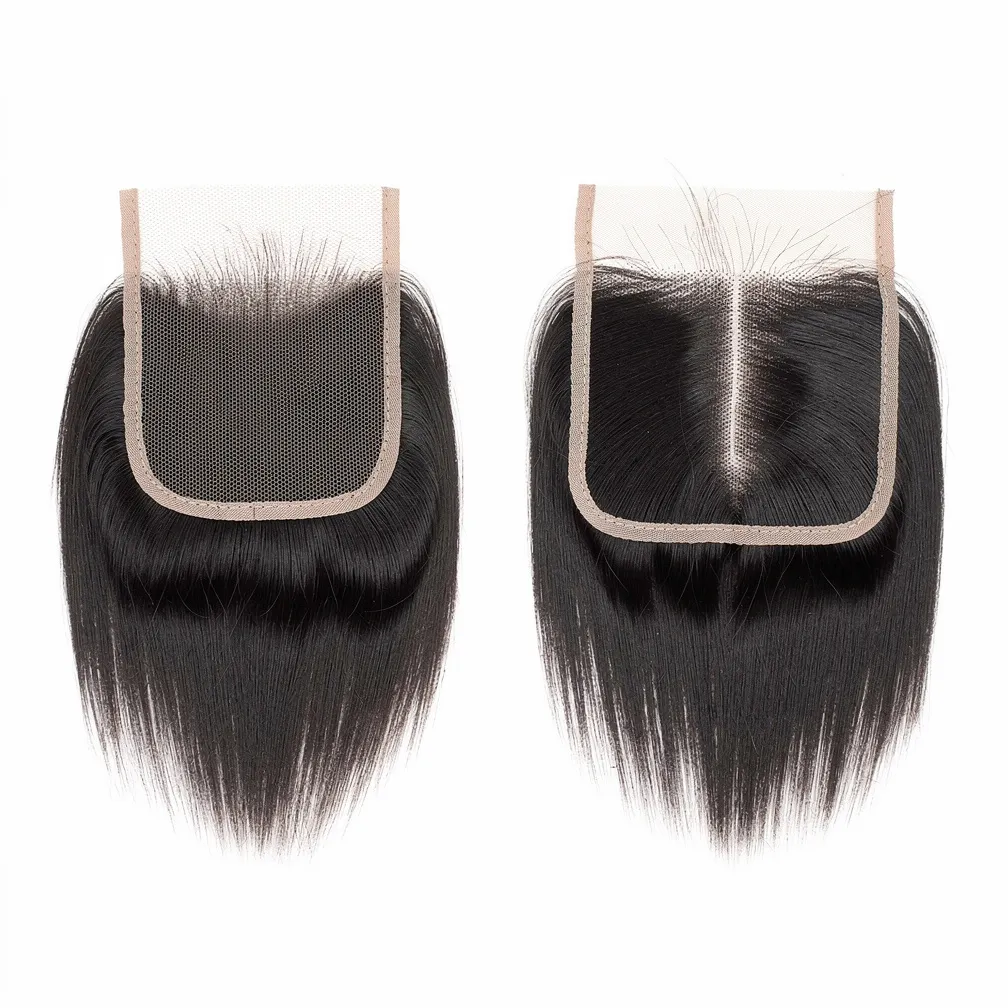
Wholesale Lace Closures and Frontals from India
Wholesale lace closures and frontals from India are essential supplies for wig makers, wig brands, and full-service extension salons worldwide. The distinction between closures and frontals — size, coverage area, versatility, and price — determines which product serves which client need, and understanding both categories in depth allows wholesale buyers to stock the right inventory for their specific business model. This guide covers every aspect of closures and frontals from a wholesale buyer’s perspective: size options, lace types (HD vs. regular), construction quality factors, pricing benchmarks from Indian manufacturers, and practical guidance on which specifications suit which applications. For more details, see our guide on Wholesale Nano Tip and Flat Tip Extensions from India.
Lace Closures — Overview and Specifications
A lace closure is a small, pre-made hairpiece with a lace base to which individual hair strands are hand-ventilated (knotted). The closure is placed at the top of a wig install or sew-in to “close off” the installation — providing a parting space that creates the illusion of hair growing from the scalp, without requiring the client to leave any of their natural hair out. The closure sits in the center or side part area and is sewn or glued in place over the natural hair.
Closures allow the entire scalp to be covered (full sew-in or wig installation) while still providing a natural-looking part. They are faster and less expensive than frontals and are sufficient for hairstyles where the hair is worn down and does not need to be swept off the face or pulled into a high ponytail.
Closure Sizes
2×4 closure: The smallest standard size. Provides a small, straight-line parting area in the middle or side part position. Primarily used for straight hairstyles where only a minimal parting space is needed. Less commonly used than 4×4 — most buyers and stylists prefer the slightly more versatile 4×4.
4×4 closure: The industry standard closure size. A 4-inch wide by 4-inch deep parting area provides good styling flexibility for most looks that are worn down. The most widely sold closure size globally. This is the default closure for most wholesale buyers.
5×5 closure: A larger closure with a 5×5 inch coverage area. The extra inch in each dimension allows slightly more styling versatility — the part can be shifted more off-center, or the closure can create a slightly more natural, wider scalp appearance. Growing in popularity as wig makers seek more styling flexibility without the full commitment and cost of a frontal.
6×6 closure: The largest common closure size, approaching small frontal territory. Provides significant styling freedom — the hair can be parted in virtually any position across a 6-inch width. Used by premium wig makers for styles requiring more part flexibility.
Lace Frontals — Overview and Specifications
A lace frontal is a larger hairpiece that covers the entire frontal hairline from ear to ear. Because it spans the full width of the forehead, it allows the hair to be swept back, pulled into a high ponytail, or styled with a deep side part anywhere across the full frontal width — versatility that no closure can provide.
Frontals are more technically demanding to construct (more hand-ventilation area), require more raw hair, and accordingly cost significantly more than closures. They are also more challenging to install and maintain correctly — the long lace edge along the hairline must be carefully glued and blended to appear natural. For these reasons, frontals are associated with premium wig making and clients who prioritize maximum styling versatility.
Frontal Sizes
13×4 frontal: The standard frontal size. Measures 13 inches wide (ear to ear) and 4 inches deep. The 13-inch width is sufficient to cover the full frontal hairline on most head sizes. The 4-inch depth provides a natural hairline area. This is the most widely sold frontal size and the default specification for most wig makers.
13×6 frontal: A deeper frontal measuring 13 inches wide and 6 inches deep. The extra 2 inches of depth allows the parting space to be moved further back from the hairline, enabling more natural-looking deep parts and updos that expose more of the scalp area. Premium wig makers favor 13×6 for its added versatility. Wholesale price is 20–30% higher than 13×4 of equivalent quality due to additional ventilation area.
360 frontal: A full 360-degree lace piece that wraps around the entire head perimeter rather than just the frontal area. Allows the hair to be pulled back completely in any direction, including ponytails and buns. The most versatile frontal type and the most expensive. Used primarily for premium wigs that must withstand high-heat styling and extreme versatility demands.
Request Closure and Frontal Samples and Pricing on WhatsApp →
Closure vs. Frontal — Complete Comparison
| Factor | Closure (4×4) | Closure (5×5) | Frontal (13×4) | Frontal (13×6) | 360 Frontal |
|---|---|---|---|---|---|
| Size (inches) | 4×4″ | 5×5″ | 13×4″ | 13×6″ | Perimeter |
| Coverage area | Part area only | Wider part area | Ear to ear hairline | Ear to ear, deeper | Full perimeter |
| Hair can be swept fully back | No | No | Yes | Yes | Yes — including ponytail |
| Styling versatility | Moderate | Good | High | Very high | Maximum |
| Installation complexity | Low | Low-Medium | High | High | Very high |
| Wholesale price (India, regular lace) | $18–$35 | $22–$42 | $35–$65 | $45–$80 | $65–$120 |
| Wholesale price (India, HD lace) | $28–$50 | $35–$60 | $55–$90 | $70–$115 | $95–$160 |
| Best for | Down-worn styles, everyday wig making | Versatile everyday styles | Premium wigs, styling flexibility | Maximum versatility wigs | Ponytail wigs, full versatility |
HD Lace vs. Regular Lace — What Wholesale Buyers Need to Know
HD lace (High Definition lace) is a finer, more transparent version of the standard lace material used in closures and frontals. The distinction has become one of the most significant product differentiators in the wholesale closure and frontal market.
Regular Lace
Regular lace comes in two primary varieties: French lace (a slightly coarser, more durable lace with a slightly visible grid pattern) and Swiss lace (finer and more transparent than French lace, with a less visible grid). Regular lace has been the industry standard for years and provides good performance for most applications. It is durable, holds ventilated knots well, and can be tinted with foundation or concealer to better match the client’s skin tone.
HD Lace
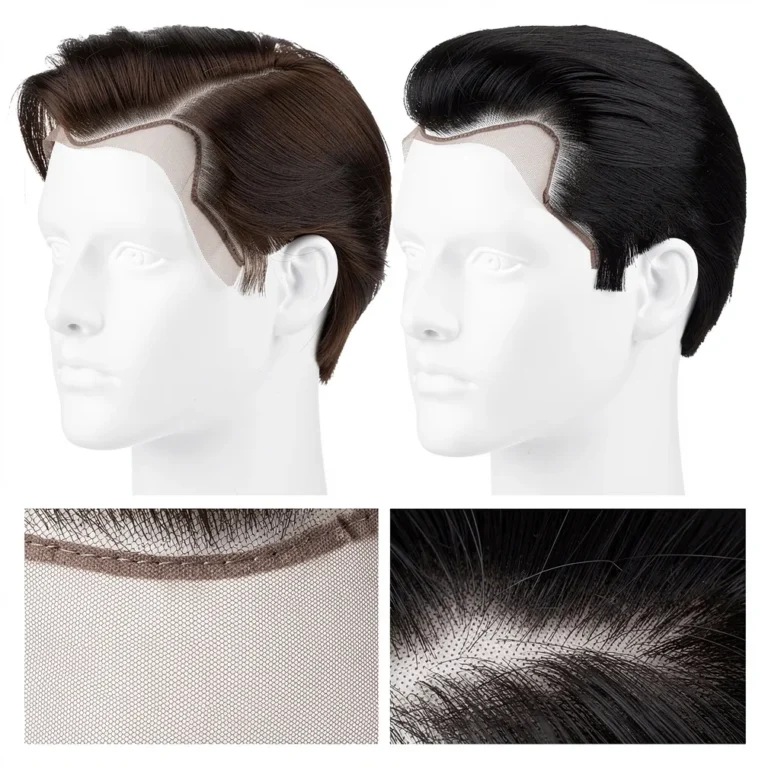
HD lace is a newer generation of lace material that is thinner, more transparent, and more skin-matching than even Swiss lace. When applied correctly and melted down with heat and adhesive, HD lace virtually disappears against the scalp — making the hairline appear truly natural with minimal blending work required. HD lace is also more flexible than regular lace, which makes it more comfortable and allows it to conform more naturally to the scalp’s contours.
The trade-off is durability and cost. HD lace is more fragile than regular lace and more prone to damage from excessive handling, strong adhesives, or aggressive bleaching of the knots. HD lace closures and frontals cost approximately 40–60% more wholesale than equivalent regular lace products.
When to Stock Which
For buyers supplying general wig makers and salon professionals, regular lace (Swiss or French) remains the practical standard — it provides excellent results for experienced stylists at a more accessible price. For buyers supplying premium wig brands or high-end wig makeover clients, HD lace is increasingly the expected standard — clients who have seen HD lace frontals on social media often specifically request them by name.
Stock both: a regular lace range as your core product at competitive price points, and an HD lace range as your premium offering. Most active wig-making businesses use both, depending on the specific wig they are building and the client’s budget.
Hair Quality in Closures and Frontals
The hair quality in closures and frontals is as important as the lace quality. Because closures and frontals are the most visible part of a finished wig — the hairline and parting area are where the eye is naturally drawn — any quality issues in the hair are immediately apparent.
Closures and frontals should always be specified with Remy or double drawn Remy hair. Non-Remy hair in a closure or frontal will tangle visibly at the parting area, which is the worst possible location for quality issues in a finished wig. The investment in quality hair for the closure or frontal is fully justified given the visibility and premium positioning of these pieces.
Hair in closures and frontals is hand-ventilated — individual strands knotted into the lace — which is a labor-intensive process. The hair density (how many hairs per square inch of lace), the knot quality, and the hairline design (whether the hairline has natural baby hairs or a crisp cut edge) all affect the final result and are worth specifying carefully when placing orders.
Discuss Lace Closure and Frontal Quality Specifications on WhatsApp →
Bleached Knots — A Critical Finishing Detail
Knots in lace closures and frontals are the points where individual hair strands are tied to the lace. In their natural state, these knots are dark and visible against the lace — they appear as small dark dots that can be detected under close examination. Bleaching the knots (applying a lightening solution to the lace base) reduces the visibility of the knots, making the hairline appear more natural.
Pre-bleached knot closures and frontals save the wig maker or client the time and risk of bleaching themselves. Many wholesale buyers request pre-bleached knots as a standard specification. This adds $5–$15 to the wholesale price per piece and requires an additional 2–3 days of lead time. For buyers supplying wig makers who prefer to bleach themselves (to control the level of bleaching), unbleached is the appropriate order.
MOQ, Lead Times, and Ordering for Closures and Frontals
Closures and frontals are among the most SKU-complex product categories in hair extension wholesale — because each combination of size, lace type, hair color, hair grade, and knot specification represents a separate SKU. Practical inventory management is therefore essential.
Most Indian manufacturers accept orders from 10–20 pieces per specification for closures and frontals. This relatively low MOQ reflects the higher unit value of these products. Standard specifications (4×4 regular lace, dark brown, Remy grade) are typically held in ready stock with 3–7 day lead times. Custom specifications — HD lace, specific colors, pre-bleached knots, non-standard sizes — require 10–21 day lead times.
For buyers building a wig-making supply business, a practical starting range covers: 4×4 closures and 13×4 frontals in regular lace and HD lace, in natural black and dark brown, with both pre-bleached and unbleached knot options. This eight-SKU core range covers the majority of wig maker demand without excessive inventory breadth.
For more on building a hair extension product range, see our complete guide to sourcing hair extensions from India and our article on single drawn vs. double drawn hair for guidance on hair grade selection across your range.
Market Demand — Who Buys Closures and Frontals
The wholesale demand for closures and frontals is driven primarily by three buyer types. Professional wig makers — individual artisans and small businesses producing custom wigs for direct clients — purchase closures and frontals regularly as consumable supplies. Wig brands — companies producing branded wigs for retail sale, including the growing direct-to-consumer wig market in the USA, UK, and Nigeria — purchase in larger volumes for their production runs. Hair extension salons offering full wig installs and lace melts purchase both as part of their service supply.
Nigeria and Ghana have particularly active wig-making communities, with many entrepreneurs producing wigs for both local retail and export to the Nigerian and Ghanaian diaspora in the USA and UK. For buyers supplying these markets, closures and frontals are core products. See our guide to wholesale Indian hair for Nigeria and Africa for the full picture of the African wig market.
Frequently Asked Questions
What is the difference between a closure and a frontal?
A closure (4×4 or 5×5 inches) covers only the parting area at the top of the head. A frontal (13×4 or 13×6 inches) covers the entire hairline from ear to ear. Frontals allow the hair to be swept back fully; closures are only suitable for worn-down styles. Frontals cost 60–100% more than closures of equivalent quality.
What is HD lace and is it worth the premium?
HD lace is a finer, more transparent lace that virtually disappears against the scalp when properly applied. It provides the most natural-looking hairline but is more fragile than regular lace. HD lace closures and frontals wholesale approximately 40–60% higher than regular lace equivalents. For premium wig brands and high-end salon clients, HD lace is increasingly expected.
What are the most popular closure and frontal sizes?
4×4 closure and 13×4 frontal are the industry standard sizes with the highest wholesale demand. 5×5 closures and 13×6 frontals are growing in popularity among wig makers seeking more versatility.
What wholesale price should I expect for closures and frontals from India?
Regular lace: 4×4 closures at $18–$35; 13×4 frontals at $35–$65. HD lace: 4×4 closures at $28–$50; 13×4 frontals at $55–$90. Prices vary by hair grade, color, and whether knots are pre-bleached. Volume discounts apply at 50+ pieces per specification.
What is the minimum order quantity for closures and frontals?
Most Indian manufacturers accept closure and frontal orders starting at 10–20 pieces per specification. Ready-stock standard specifications may be available in smaller quantities for sample evaluation.
Should I order closures and frontals with pre-bleached knots?
Pre-bleached knots save wig makers time and reduce the risk of over-bleaching damage to the lace. For buyers supplying wig makers who prefer to control the bleaching process themselves, unbleached is appropriate. Offering both options gives your customers the choice.
What hair grade is best for closures and frontals?
Remy or double drawn Remy hair is recommended for closures and frontals because the hairline and parting area are the most visible parts of a finished wig. Any quality issues in the hair at these locations are immediately apparent. The investment in quality hair here is always justified.
Source Wholesale Lace Closures and Frontals Direct From India
Hair Extensions By Nature manufactures and exports the full range of lace closures and frontals — 4×4, 5×5, 13×4, 13×6, and 360 — in both regular and HD lace, using Remy Indian human hair. We supply wig makers, wig brands, and hair extension salons worldwide with consistent quality, accurate specifications, and fast air freight delivery to all major markets.
Request Closure and Frontal Samples and Wholesale Pricing on WhatsApp →
Email: info@hairextensionsbynature.com
Hair Extensions By Nature — Manufacturer and Exporter of Remy Indian Human Hair Extensions. Factory: Booth No 71, Sector 16 Huda Market, Faridabad, Haryana, India – 121002. Phone/WhatsApp: +91 9289358222.
Start Your Hair Extensions Dropship Business
Zero inventory. Premium Indian Remy hair. Ship worldwide under your brand. MOQ as low as 5 pieces.