Remy Hair vs Raw Hair Extensions Wholesale
Remy Hair vs Raw Hair Extensions Wholesale [2026 Buyer Guide]
The difference between Remy hair and raw hair extensions is the degree of processing applied after collection — Remy hair undergoes controlled treatments such as coloring, conditioning, and steam-texturing while maintaining cuticle alignment, whereas raw hair is shipped in its completely unprocessed, chemically untreated state. In the wholesale market, Remy hair accounts for approximately 65-70% of human hair extension sales globally due to its versatility and ready-to-wear appeal, while raw hair commands a 30-50% price premium and caters to the luxury segment. This guide provides wholesale buyers, brand owners, and salon procurement teams with the technical knowledge to choose the right product type for their market position.
At Hair Extensions By Nature, we manufacture both Remy and raw hair extensions at our facility in Faridabad, Haryana — one of India’s primary hair extension export hubs. The distinctions explained below are based on 20 years of hands-on production experience and direct feedback from wholesale buyers across 30+ countries.
Need samples of both Remy and raw hair? We offer sample programs so you can compare quality, texture, and longevity before committing to bulk orders. Contact our team on WhatsApp.
WhatsApp Us for Wholesale Pricing
Defining the Terms: What Remy and Raw Actually Mean
The hair extension industry suffers from inconsistent terminology. Terms like “virgin,” “Remy,” “raw,” and “premium” are used interchangeably by many sellers, creating confusion for buyers. Here are the accurate, production-based definitions.
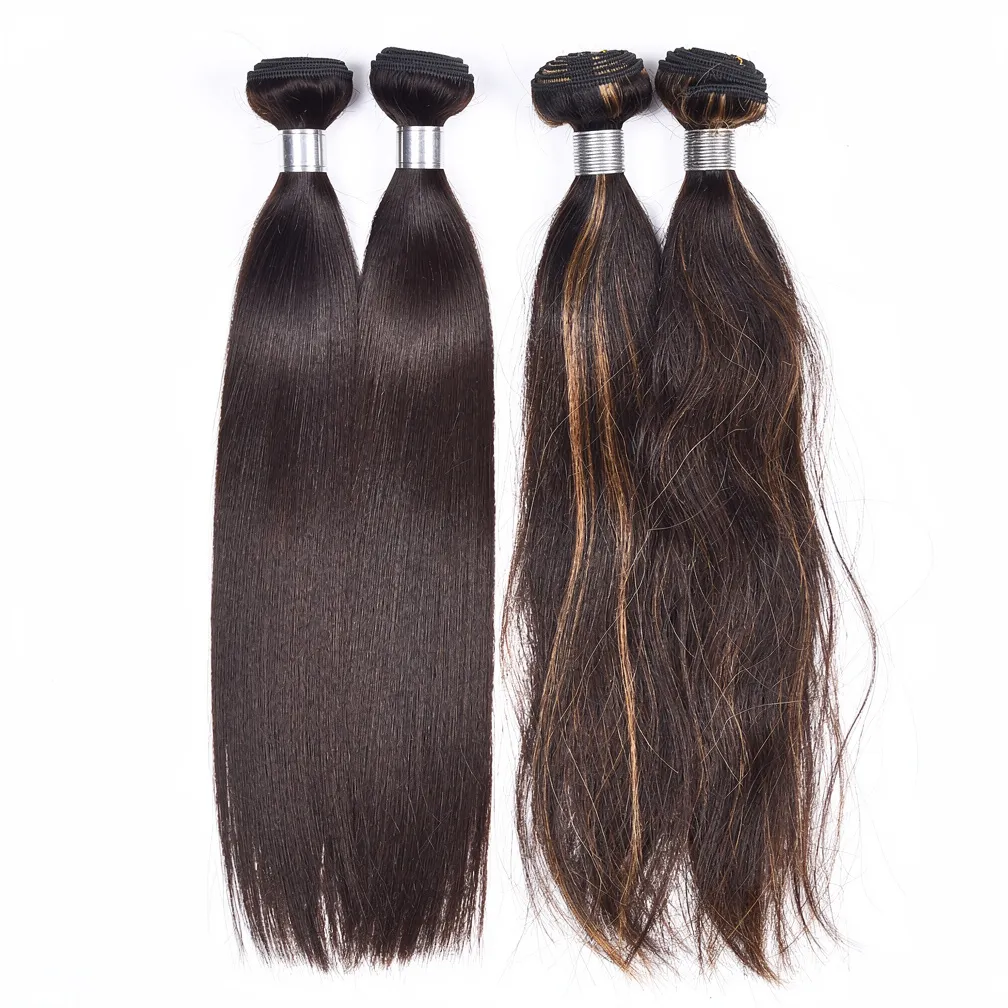
Remy hair is human hair collected with cuticle layers intact and aligned in the same direction from root to tip. After collection, Remy hair may undergo controlled processing — gentle coloring, acid-free conditioning treatments, steam-texturing to create curls or waves, and silicone coating for added shine. The key qualifier is that the cuticle structure remains intact and directionally aligned, which prevents tangling and extends the product lifespan. Remy is a processing standard, not a hair origin.
Raw hair (also called virgin hair in some markets) is human hair that has not been chemically processed in any way after collection. It has never been dyed, bleached, permed, relaxed, steam-textured, or coated with silicone. Raw hair retains its natural color (typically dark brown to black for Indian hair), natural texture pattern, and full cuticle structure. It is the purest form of human hair available for extensions.
Important clarification: All raw hair is Remy (cuticle-aligned), but not all Remy hair is raw. Remy is the broader category that includes both processed and unprocessed hair, as long as cuticle alignment is maintained.
Technical Comparison: Remy Hair vs Raw Hair
| Specification | Remy Hair | Raw Hair |
|---|---|---|
| Cuticle Status | Intact and aligned root-to-tip | Intact, aligned, and completely untreated |
| Chemical Processing | May be colored, conditioned, or coated | None — zero chemical treatment |
| Texture | Natural or steam-set (body wave, deep wave, etc.) | Natural only (straight, slight wave) |
| Color Range | Natural black through blonde; custom colors | Natural dark brown to black only |
| Longevity | 12-24 months with proper care | 2-5 years with proper care |
| Wholesale Price (16″, 100g) | USD 25-50 | USD 40-80 |
| Retail Price (16″, 100g) | USD 60-120 | USD 100-250 |
| Color Customization by Buyer | Already colored; limited re-coloring potential | Full virgin canvas; colors and lightens easily |
| Heat Styling Tolerance | Good; may degrade faster with heavy heat use | Excellent; withstands repeated heat styling |
| Tangling Resistance | High (cuticle-aligned) | Very high (cuticle fully intact and untreated) |
| Best For | Ready-to-wear retail, salons, volume business | Premium salons, luxury brands, custom color work |
Processing Differences: What Happens in the Factory
Understanding the factory processing chain clarifies why Remy and raw hair behave differently and carry different price points.
Raw hair processing (minimal): After collection — typically from Indian temple donations — raw hair is sorted by length, washed with gentle sulfate-free cleansers to remove dirt and oil, and air-dried. It is then bundled or wefted without any chemical treatment. The entire process preserves the hair’s natural characteristics. This minimal processing means raw hair has fewer available SKUs (limited to natural colors and textures) but maximum structural integrity.
Remy hair processing (controlled): Remy hair goes through the same initial collection and sorting process, then enters additional production stages. Hair destined for lighter colors undergoes controlled bleaching (lift) followed by toning to the target shade. Steam-texturing machines create body wave, deep wave, loose curl, and other texture patterns. Conditioning treatments restore moisture after chemical processing. Some manufacturers apply a light silicone coating for immediate shine and softness. Each processing step slightly reduces the hair’s structural strength, which is why Remy hair has a shorter lifespan than raw hair — but the trade-off is a much wider range of ready-to-wear products.
Pricing Analysis for Wholesale Buyers
Price differences between Remy and raw hair are not arbitrary — they reflect raw material scarcity, processing costs, and market positioning. Here is a detailed pricing breakdown by length.
| Length (100g Bundle) | Remy Wholesale | Raw Wholesale | Price Premium |
|---|---|---|---|
| 12 inches | USD 20-30 | USD 30-50 | 40-65% |
| 16 inches | USD 25-40 | USD 40-65 | 40-60% |
| 20 inches | USD 35-55 | USD 55-80 | 35-55% |
| 24 inches | USD 45-70 | USD 70-110 | 40-55% |
| 28 inches | USD 60-90 | USD 90-150 | 40-65% |
The margin opportunity is also different. Raw hair supports higher retail markups (2.5-3.5x wholesale) because customers willing to pay premium prices expect premium margins. Remy hair operates on tighter markups (2-2.5x) but moves in higher volume. Your optimal product mix depends on your customer base and business model.
Get current wholesale pricing for both Remy and raw hair. Our prices are updated regularly and depend on length, weight, and order volume. Contact us for a custom quote.
WhatsApp Us for Wholesale Pricing
Best Use Cases: When to Stock Remy vs Raw
Rather than choosing one over the other, most successful wholesale businesses stock both types and position them for different customer segments.
Stock Remy hair when:
- Your customers want ready-to-wear extensions in specific colors and textures
- You sell through e-commerce where customers expect to receive a finished product
- Your market is price-sensitive but demands genuine human hair quality
- You need a wide color range including blondes, balayage, and ombre
- Volume and inventory turnover are priorities for your business model
Stock raw hair when:
- You serve premium salons that color and customize extensions in-house
- Your brand is positioned as luxury or ultra-premium
- Your customers prioritize longevity over immediate color variety
- You sell to professional stylists who value a virgin canvas for custom work
- Ethical sourcing and unprocessed purity are part of your brand story
How to Verify What You Are Actually Buying
The biggest risk in wholesale hair purchasing is receiving mislabeled product — hair marketed as “raw” that has actually been processed, or hair sold as “Remy” that has had its cuticles stripped and coated with silicone. Here are practical verification methods.
The vinegar test (for silicone coating): Soak a few strands in white vinegar for 15 minutes. Silicone-coated hair will feel noticeably different after the coating dissolves — rougher, drier, and prone to tangling. Genuine raw and properly processed Remy hair will feel similar before and after because the cuticle structure, not a coating, provides smoothness.
The bleach test (for raw hair verification): Take a small strand and attempt to lighten it. Genuine raw hair will lift evenly to a warm blonde. Hair that has already been processed and re-dyed to appear natural will lift unevenly, revealing patches of different colors underneath.
The texture reversion test (for steam-textured hair): Wash a textured sample (body wave, deep wave) and let it air dry. Steam-set textures in Remy hair will gradually loosen over multiple washes. Genuine raw curly hair will return to its natural curl pattern consistently after washing.
Request factory documentation: Legitimate manufacturers can provide processing records, sourcing certificates, and quality test results. At Hair Extensions By Nature, we maintain full traceability from temple collection through finished product and provide documentation on request.
MOQ Considerations for Each Type
MOQs differ between Remy and raw hair because of supply chain dynamics. Raw hair is scarcer — particularly in longer lengths — so manufacturers may require higher minimums or offer limited stock availability.
Remy hair MOQs: Typically 50 pieces per SKU or 1 kg by weight. Because Remy hair is processed in batches, manufacturers can produce to order with reasonable lead times. Custom colors may require higher MOQs (100+ pieces) to justify dye batch setup.
Raw hair MOQs: Often 1-3 kg by weight or 20-50 pieces per length. Raw hair availability depends on temple auction cycles and seasonal collection patterns. Longer lengths (24 inches and above) may have limited availability and require advance booking. Some manufacturers maintain rolling inventory of popular lengths.
Check current stock availability for both Remy and raw hair. Our inventory changes based on temple auction cycles, so contact us for real-time availability.
WhatsApp Us for Wholesale Pricing
Why Source Remy and Raw Hair From Hair Extensions By Nature?
Hair Extensions By Nature manufactures both Remy and raw hair extensions at our Faridabad facility, giving buyers a single-source solution for their complete product line. Here is what sets us apart:
- Dual product line: Both Remy processed and raw unprocessed hair from the same trusted source
- Temple-sourced Indian hair: Documented provenance from major Indian temple auctions
- In-house processing: All Remy processing done in our own facility — not outsourced to third parties
- Quality verification: Every batch tested for cuticle alignment, weight accuracy, and color consistency
- Sample programs: Compare Remy and raw hair quality before committing to bulk orders
- 20 years of manufacturing experience: We know what works in every major market
Frequently Asked Questions
What is the main difference between Remy hair and raw hair extensions?
The main difference is the level of processing. Remy hair has cuticles intact and aligned but may undergo controlled processing such as coloring, conditioning, and steam-texturing. Raw hair is completely unprocessed — never chemically treated, dyed, or textured. Both are genuine human hair with cuticle alignment, but raw hair retains its original state from collection, giving it superior longevity of 2-5 years versus 12-24 months for Remy.
Is raw hair worth the higher price for wholesale buyers?
Raw hair is worth the premium if your customer base values longevity, styling versatility, and premium quality. Raw hair lasts 2-5 years, supports custom coloring by salons, and commands higher retail prices with 2.5-3.5x markups. However, if your market is price-sensitive and prefers ready-to-wear products in specific colors, Remy hair offers better volume potential at lower price points with 2-2.5x markups.
Can raw hair extensions be colored?
Yes. Raw hair is an ideal canvas for coloring because it has never been chemically treated. It lifts and tones evenly, accepts both permanent and semi-permanent color, and maintains its structural integrity through the coloring process. Many premium salons prefer raw hair specifically because they can create custom colors for individual clients. This is a key selling point for distributors serving the salon market.
How do I verify that hair is genuinely raw and unprocessed?
Perform three tests: the vinegar soak test (silicone-coated hair feels different after soaking), the bleach lift test (genuine raw hair lightens evenly while pre-processed hair lifts unevenly), and the texture reversion test (raw curly hair returns to its natural pattern after washing). Also request sourcing documentation from your manufacturer. At Hair Extensions By Nature, we provide temple provenance certificates and processing records for all raw hair orders.
What are the MOQs for Remy and raw hair extensions from India?
Remy hair MOQs typically start at 50 pieces per SKU or 1 kg by weight. Raw hair MOQs range from 1-3 kg by weight or 20-50 pieces per length. Raw hair availability depends on temple auction cycles, particularly for longer lengths (24 inches and above). Custom-colored Remy hair may require MOQs of 100+ pieces to justify dye batch setup costs.
Should I stock both Remy and raw hair in my wholesale business?
Yes, if your customer base spans different market segments. Remy hair serves the mid-range market with ready-to-wear products in various colors and textures at competitive prices. Raw hair serves the premium segment where customers prioritize longevity and customization. Stocking both allows you to capture a wider market share and offer tiered pricing to different buyer profiles.
Start Your Hair Extensions Dropship Business
Zero inventory. Premium Indian Remy hair. Ship worldwide under your brand. MOQ as low as 5 pieces.
Choose the Right Hair Type for Your Business
Whether you need Remy hair for volume sales or raw hair for premium positioning — or both — Hair Extensions By Nature manufactures and exports both types from our Faridabad facility. Our team can help you build the right product mix for your market.
Request samples and pricing for both Remy and raw hair.
WhatsApp: +91 9289358222
Email: info@hairextensionsbynature.com
Website: www.hairextensionsbynature.com
Factory: Booth No 71, Sector 16 Huda Market, Faridabad, Haryana, India – 121002