Single-Donor Hair
Single-Donor Hair Wholesale — 2026 Premium Buyer’s Guide
Single-donor hair wholesale means every strand in a bundle comes from one donor — typically a single cut ponytail from an Indian temple-donor or a private-donor cut. Single-donor costs 2-3 times more than mixed-source hair because the collection is slower and less scalable: one ponytail yields 100-250 grams versus mixed-source processing that aggregates dozens of donors into one batch. The 2026 wholesale price per 100 grams is USD 180-350 for single-donor Remy versus USD 70-150 for mixed-source Remy. The premium is worth paying when the buyer needs guaranteed cuticle direction consistency, color uniformity without blending correction, and a clean chain-of-custody story for luxury brand positioning. This guide breaks down what single-donor actually means, how it’s collected, why the premium exists, and which buyer types should pay for it.
Hair Extensions By Nature offers certified single-donor bundles for luxury salon partners and high-ticket D2C brands. Each bundle ships with a chain-of-custody certificate linking the bundle to a specific Tirumala or Palani temple donation batch and traceable processing record.
Need single-donor for luxury positioning? Request our Single-Donor Program Brief with certified bundles and chain-of-custody documentation.
What “Single-Donor” Actually Means
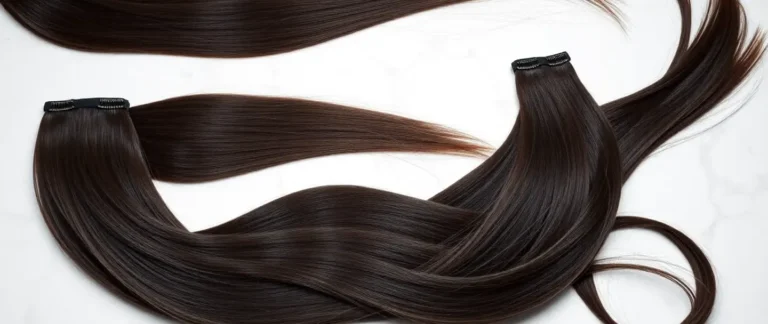
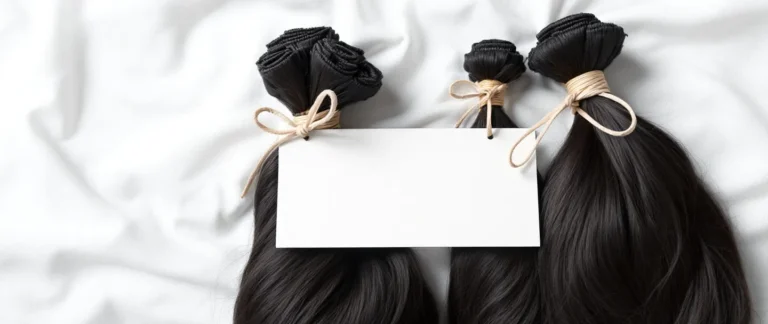
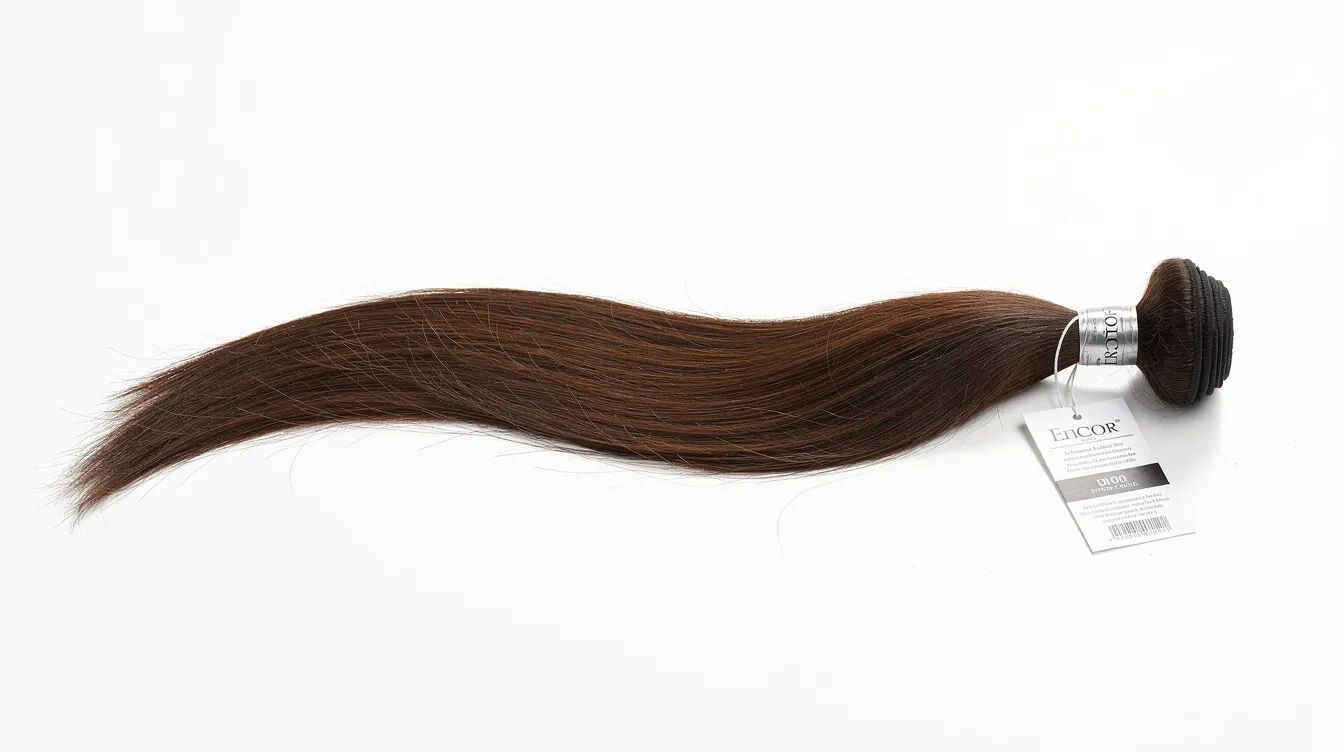
Single-donor hair is a bundle where every strand originates from the same person. The most common source is an Indian temple donation — a devotee tonsures the head, the full cut ponytail is collected intact, cleaned, aligned, and processed as one unit. All strands share the same color, texture, density, and cuticle direction because they came from the same scalp.
Mixed-source hair, by contrast, aggregates ponytails from many donors at the processing stage. Even Remy-grade mixed-source hair blends multiple donors’ cuticle directions and colors into a single bundle, which is why processors must correct blending, dye-match, and sometimes re-align cuticles across a batch.
Collection — Why Single-Donor Is Slower
Single-donor collection requires keeping each ponytail’s strands together from cut to final bundle:
- Collection stage: Each tonsured ponytail is tagged with donor ID and kept as one unit.
- Sorting stage: Sorting happens within the single ponytail (by length, not across ponytails).
- Washing stage: Washed separately — cannot co-wash with other ponytails.
- Alignment stage: Cuticle-alignment is straightforward because all cuticles already face the same direction naturally.
- Weft or bundling: Final product uses only strands from this one ponytail.
Each step requires per-ponytail processing rather than batch processing. A factory can process 10x more volume per week in mixed-source batches than in single-donor keep-together flow.
Typical Single-Donor Bundle Yield
| Donor Hair Type | Typical Ponytail Length | Single-Donor Bundle Weight |
|---|---|---|
| Young-donor temple hair | 22-32 inches | 150-250 grams |
| Adult-donor temple hair | 18-26 inches | 120-200 grams |
| Short single-donor | 12-18 inches | 80-120 grams |
Why the 2-3x Premium Exists
- Processing speed: Per-ponytail processing is 10x slower than batch processing.
- Volume constraint: Limited supply — only a portion of temple donations meet single-donor standard.
- QC rigor: Single-donor bundles require tighter QC to confirm same-donor origin.
- Chain-of-custody documentation: Factory tracks donor ID through processing — labor-intensive.
- Lower spoilage tolerance: One damaged strand in a single-donor bundle means loss of that entire bundle (can’t substitute from other donors).
2026 Wholesale Pricing Benchmarks
| SKU Type | Mixed-Source Remy (per 100g) | Single-Donor Remy (per 100g) |
|---|---|---|
| 18-inch straight | USD 70-90 | USD 180-220 |
| 22-inch straight | USD 95-130 | USD 230-290 |
| 26-inch straight | USD 120-160 | USD 270-350 |
| Wavy/curly premium | Add 15-25 percent | Add 20-30 percent |
When Single-Donor Premium Is Worth Paying
Single-donor is the right SKU when:
- Luxury salon chain positioning: Salon charges USD 1,200+ per install and competes on consistency, not cost.
- Premium D2C brand: Retail pricing USD 400+ per bundle with brand story built on single-source origin.
- Custom wig foundation: Wig maker needs consistent strand behavior for cap construction.
- Celebrity / editorial use: One-off install where tangling during shoot is catastrophic.
- High-end wig construction for medical clients: Alopecia / oncology clients need maximum cuticle consistency.
Single-donor is overkill (and margin-crushing) when:
- Salon competes on price and turnover.
- Retail pricing under USD 250 per bundle — premium margin unsupportable.
- Volume SKU for color-treated hair (chemical process eliminates consistency benefit).
- Synthetic-blend products — premium hair source wasted.
Chain-of-Custody Documentation
A proper single-donor certification includes:
- Donor batch ID linked to temple donation record.
- Collection date and temple name.
- Processing facility and process date.
- Bundle weight, length, and hair characteristics at finished stage.
- QC inspector sign-off.
- Ethical-sourcing compliance certification (for luxury market claims).
Not all factories that claim to offer single-donor can actually produce this documentation. Buyers should request the documentation template before committing to a single-donor program.
Why Source Single-Donor From Hair Extensions By Nature?
Hair Extensions By Nature sources single-donor bundles from Tirumala and Palani temple donations with traceable batch IDs. Each bundle ships with a signed chain-of-custody certificate and processing timeline. Standard wholesale pricing 2026: USD 220 per 100 grams for 22-inch Remy single-donor. Starter program MOQ 10 bundles (typical industry MOQ 20-25), making single-donor accessible for independent luxury salon chains and emerging D2C brands.
Frequently Asked Questions
What is single-donor hair?
Hair where every strand in a bundle originates from one person — typically a single temple-donor ponytail cut. All strands share the same color, texture, density, and cuticle direction naturally because they came from the same scalp.
How much more does single-donor cost than mixed-source?
2-3x more. Mixed-source Remy 2026 wholesale USD 70-160 per 100 grams; single-donor Remy USD 180-350 per 100 grams. Premium exists because processing is slower and supply is limited.
How big is a single-donor bundle?
100-250 grams typically. One full temple-donor ponytail yields 150-250 grams for young-donor 22-32 inch hair; 120-200 grams for adult-donor 18-26 inch hair.
Is single-donor the same as virgin hair?
Not exactly. Virgin means “never chemically processed.” Single-donor means “all strands from one person.” A bundle can be single-donor but not virgin (if chemically treated after collection). Premium single-donor bundles are usually both.
When should a salon buy single-donor?
When the salon positions on consistency, charges USD 1,200+ per install, and competes on quality not price. Luxury chains, celebrity salons, and custom-wig studios benefit; turnover-driven salons do not.
Can I get chain-of-custody documentation?
Yes — proper single-donor certification should include donor batch ID, temple record, processing timeline, QC inspector sign-off, and ethical-sourcing compliance. Request the documentation template before committing to a supplier.
What’s the MOQ for single-donor wholesale?
Industry typical 20-25 bundles per order. Starter programs may accept 10 bundles. Single-donor bulk orders (100+ bundles) typically get 10-15 percent pricing discount.
Ready for Certified Single-Donor?
info@hairextensionsbynature.com or quote request form.
Hair Extensions By Nature — Manufacturer and Exporter of Premium Indian Human Hair Extensions. Factory: Booth No 71, Sector 16 Huda Market, Faridabad, Haryana, India — 121002. Serving salons, distributors, and brands in 40+ countries.
Start Your Hair Extensions Dropship Business
Zero inventory. Premium Indian Remy hair. Ship worldwide under your brand. MOQ as low as 5 pieces.