Wholesale Men’s Hair Systems from India
Wholesale men’s hair systems from India are available in the full range of base constructions — lace, monofilament (mono), silk top, and polyurethane (poly) — using Indian Remy human hair that matches the natural density and texture characteristics of male donor hair better than synthetic alternatives. The global men’s hair replacement market has grown consistently over the past decade, driven by increasing male comfort with non-surgical hair solutions and the expansion of specialist hair loss solution clinics, barbershops offering hair system services, and direct-to-consumer hair replacement subscription businesses. Indian manufacturers supply hair systems to this market at wholesale prices ranging from $35 to $250 per unit, offering the combination of natural hair quality and manufacturing cost efficiency that makes factory-direct sourcing from India a strong business proposition. For more details, see our guide on complete guide to sourcing hair extensions from India. For more details, see our guide on Hair Extension Payment Methods.
Understanding the Men’s Hair System Market
Men’s hair systems — also referred to as hair patches, non-surgical hair replacement units, or toupees — address hair loss in men by providing a natural-looking hairpiece that attaches to the scalp using adhesive or tape. Unlike women’s extensions, which add length or volume to existing hair, men’s hair systems replace missing hair on bald or thinning areas of the scalp — most commonly the crown and the frontal hairline.
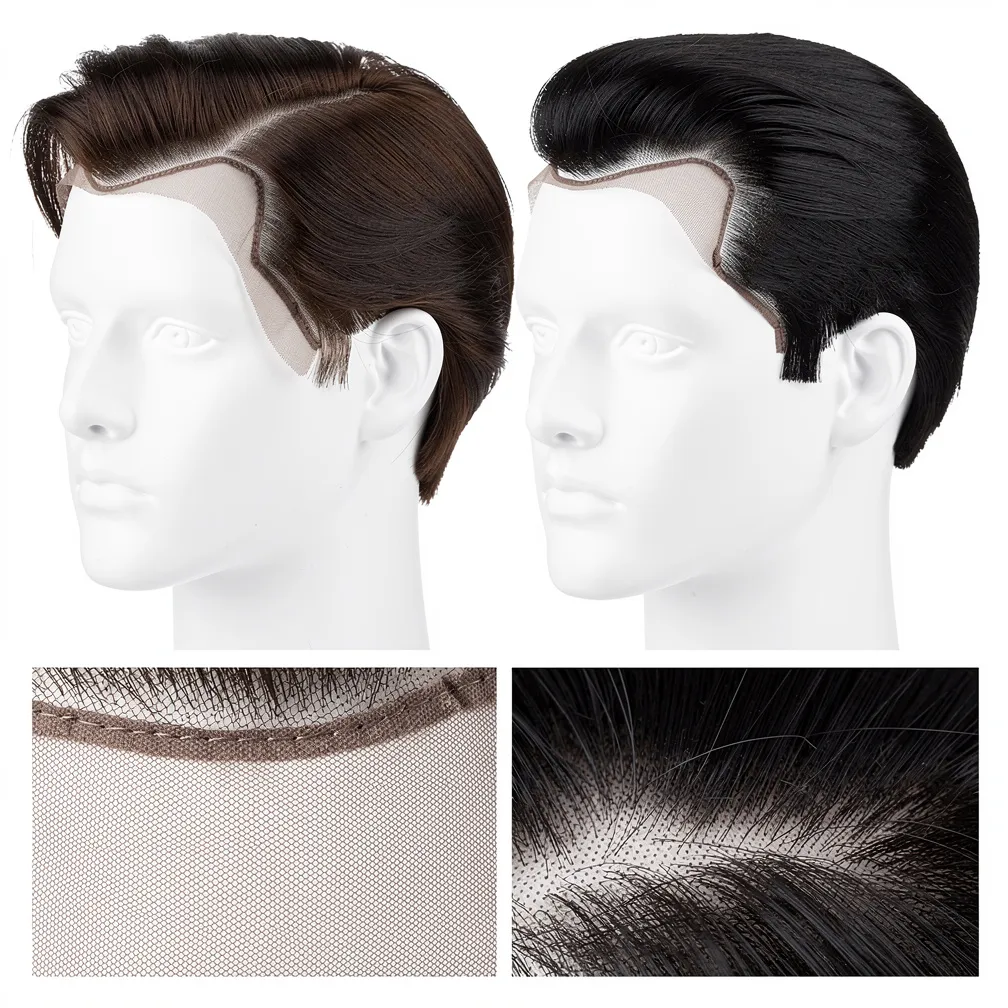
The market for men’s hair systems has evolved significantly from the obvious, stigmatized “toupee” of previous decades to a sophisticated product category with highly natural results when properly fitted and maintained. Modern lace-base hair systems are virtually undetectable under normal conditions — the transparent lace base mimics the appearance of the scalp, allowing the client’s natural skin to show through and creating the illusion of hair growing directly from the scalp.
The primary buyers of wholesale men’s hair systems are: hair replacement clinics (specialist practices focusing exclusively on non-surgical hair loss solutions), barbershops and hair studios offering hair system fitting and maintenance as a premium service, online hair system retailers, and brands building subscription-based hair system replacement programs.
Men’s Hair System Base Types
The base — the foundation material to which the hair is attached — is the primary specification decision for any men’s hair system purchase. Each base material has distinct characteristics affecting appearance, durability, comfort, and price.
Lace Base
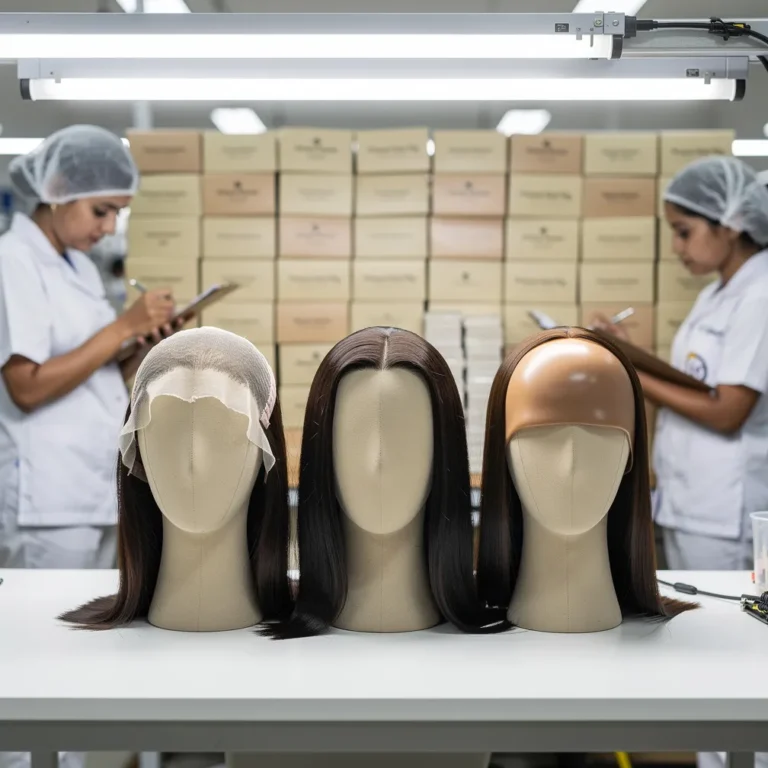
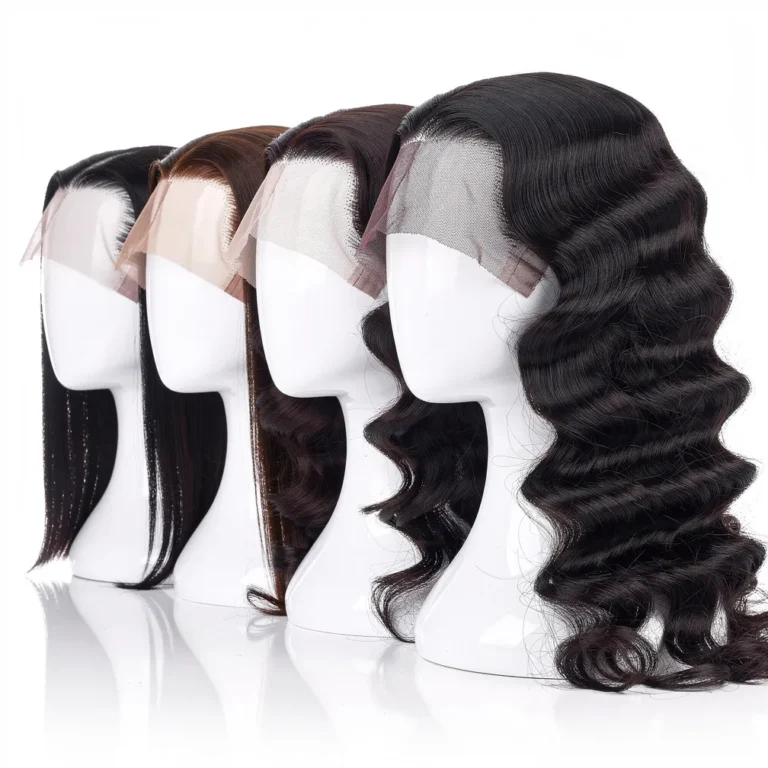
Lace-base hair systems use a fine French or Swiss lace material as the base. The lace is semi-transparent, allowing skin tone to show through and creating the most natural scalp appearance of any base type. Hair is individually hand-ventilated (knotted) into the lace mesh, allowing the hair to move and part naturally in any direction.
French lace is more durable than Swiss lace — it withstands more handling and lasts longer before the lace material begins to break down. Swiss lace is finer and more transparent — providing a more invisible appearance at the hairline — but is more fragile and has a shorter service life. Premium systems often use Swiss lace at the hairline (where invisibility matters most) and French lace in the crown area (where durability is more important than perfect transparency).
Lace base systems are the preferred choice for clients who prioritize natural appearance above all other factors. They are the most widely used base type for premium hair replacement clinics and for clients wearing systems full-time.
Monofilament (Mono) Base
Mono base systems use a fine, durable monofilament mesh as the base material. Hair is hand-ventilated into the mono mesh. Monofilament is not as transparent as lace — it has a slight appearance that is more noticeable than lace at the hairline — but it is significantly more durable. A quality mono base system can last 3–12 months with proper care, compared to 1–3 months for lace.
Mono base systems are the preferred choice for active clients, clients who wear systems in demanding conditions (physical work, sports), and clients who prioritize longevity over absolute hairline invisibility. Many high-volume hair replacement businesses use mono base systems as their standard product because the longer service life reduces replacement frequency and simplifies inventory management.
Silk Top Base
Silk top systems feature a layer of fine silk mesh on the top (crown) area, with a more durable material (often lace or mono) around the perimeter. Hair in the silk top area is double-ventilated — knotted through a lace layer beneath the silk, then covered by the silk. This technique creates the appearance of hair growing directly from skin — the most natural-looking crown construction available.
Silk top systems are more expensive to produce (due to double ventilation labor) and are used by premium clients who are willing to pay more for the most natural possible appearance, particularly in the crown where hair parting and scalp visibility are most critical.
Polyurethane (Poly/Skin) Base
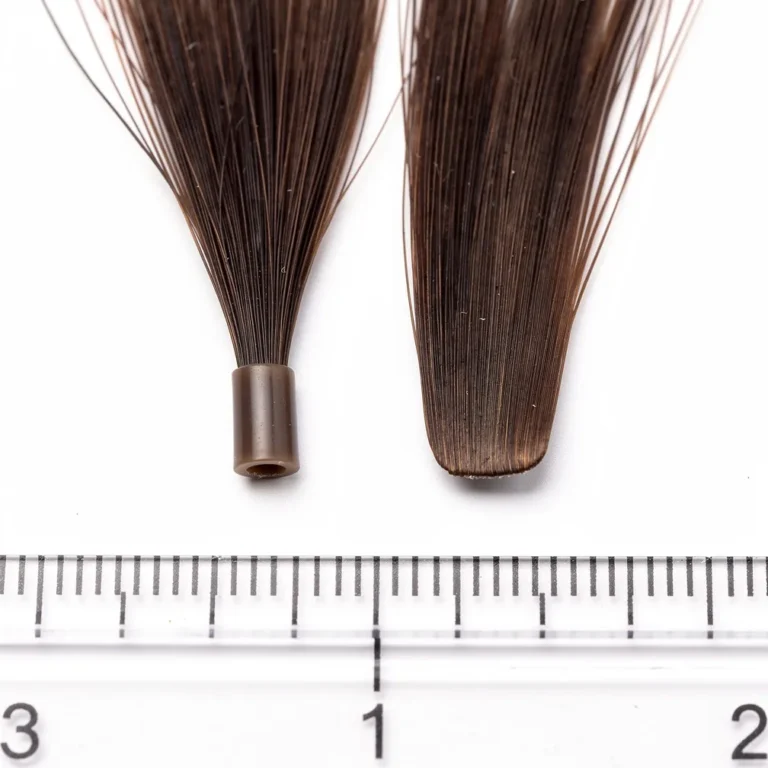
Poly base systems use a thin polyurethane skin material as the base. Hair is injected into the poly material (V-looped) rather than ventilated. The poly skin is flexible, gives a natural-looking skin appearance, and bonds very securely with adhesive. Thin poly (0.03–0.06mm) provides a very natural look; thicker poly (0.08mm+) is more durable.
Poly systems are easy to clean, secure firmly with adhesive, and are often preferred by clients who want a very secure, low-maintenance system. They are widely used as base systems for sporting contexts or physically active lifestyles. The limitation is that poly systems do not breathe as well as lace or mono, which can cause discomfort for some clients in warm climates.
Request Men’s Hair System Samples and Pricing on WhatsApp →
Men’s Hair System Specifications and Pricing
| Base Type | Transparency | Durability | Natural Appearance | Wholesale Price (India) | Best For |
|---|---|---|---|---|---|
| Swiss lace | Highest | Low (1–2 months) | Excellent — most invisible hairline | $35–$75 | Premium image-conscious clients |
| French lace | High | Medium (2–4 months) | Very good | $40–$85 | Standard premium clients, full-time wear |
| Mono base | Medium | High (3–12 months) | Good | $50–$100 | Active clients, high durability need |
| Silk top | High (crown area) | Medium-High | Excellent — most natural crown | $80–$150 | Ultra-premium natural look clients |
| Thin poly (skin) | Medium | Medium (2–6 months) | Good — natural scalp appearance | $35–$70 | Active lifestyle, secure hold priority |
| Combination (lace front + mono back) | High front, medium back | Medium-High | Excellent — natural hairline + durability | $65–$130 | Best balance of appearance and durability |
Hair Specifications for Men’s Systems
The hair used in men’s systems differs in important ways from women’s extension hair. Understanding these differences helps buyers specify the right product.
Density
Density in men’s hair systems is specified as a percentage, referring to the density relative to a full head of natural hair. Most clients wear systems at 80–100% density — natural-looking but not overly thick. Very light densities (60–70%) are used for clients with some remaining hair who want a very natural transition. Heavy densities (110–120%+) are rarely used for scalp systems but may be appropriate for certain full coverage wigs.
Hair Length and Style
Men’s hair systems are typically ordered in a longer raw length (4–6 inches) and then cut to the client’s preferred style during fitting. This gives the hair stylist flexibility to create any desired style from the one base system. Some buyers order pre-styled systems in common men’s cuts (short back and sides, crew cut, etc.) for faster service delivery.
Gray Hair and Mixed Colors
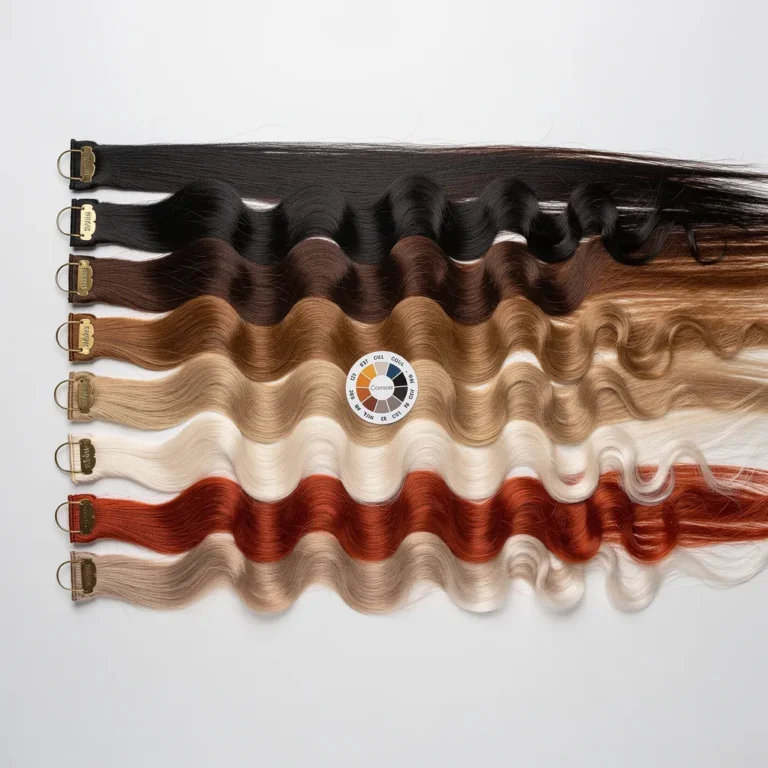
A distinctive requirement for the men’s hair system market is gray hair — both pure white/gray and mixed gray percentages (10% gray, 20% gray, 30% gray, etc.). Indian manufacturers can produce systems with specified gray percentages by blending natural gray hair (sourced from older donors) with dark hair to the buyer’s specification. This is a custom specification that typically requires MOQ 5–10 units per specification and additional lead time.
Hair Type
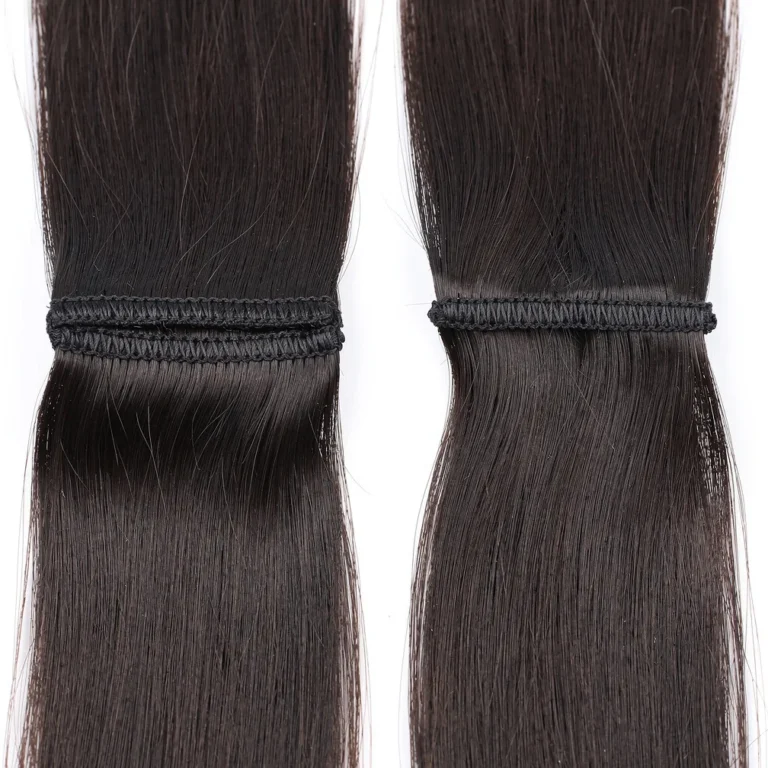
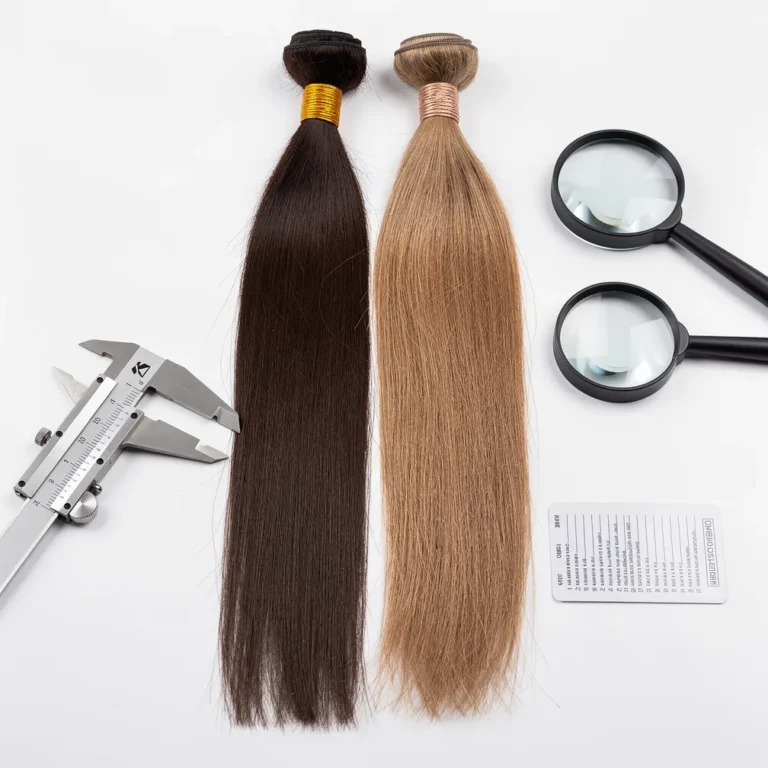
Indian Remy hair is the standard choice for hair systems because its natural texture (straight to slight wave) is compatible with most men’s hair types across Asian, European, and South Asian demographics. Chinese-sourced hair is also widely used in the hair system market. For clients with heavily textured or curly natural hair, manufacturers can source or process hair in the appropriate texture.
Discuss Men’s Hair System Specifications on WhatsApp →
Attachment Methods and Client Education
Understanding attachment methods helps buyers who supply hair replacement clinics or style studios to specify products that work with their preferred attachment systems.
The two primary attachment methods are adhesive tape (double-sided medical-grade tape applied to the perimeter of the system) and liquid adhesive (applied directly to the scalp). Most professional hair replacement clinics use one or both methods. The poly base and combination systems with poly perimeter bond most securely with adhesive. Lace and mono systems can be taped or adhered depending on client preference and lifestyle.
Most clients wearing hair systems full-time (24/7 wear) use a stronger adhesive bond and have their system professionally removed, cleaned, and reattached every 2–6 weeks. Part-time wearers (removing nightly) typically use lighter tape bonds. Understanding your client’s wear pattern helps you recommend the right base type and adhesive system.
Growing Market Demand and Business Opportunity
The men’s non-surgical hair replacement market has grown at 6–8% annually over the past five years, driven by several converging trends: growing male openness about hair loss as a quality-of-life issue, social media-driven awareness of high-quality modern hair systems, and the emergence of hair system subscription businesses that normalize regular system replacement.
For wholesale buyers, the key business model advantages of men’s hair systems versus women’s extensions are: recurring revenue from regular system replacement (typically every 1–3 months per client), high customer retention once a client finds a good hair system service provider, and a less saturated market than women’s extensions in many regions. Hair replacement clinics that build a client base of 100+ monthly system users have a very predictable, recurring revenue stream from India-sourced systems at $50–$120 wholesale priced at $300–$800+ retail (system + fitting + maintenance services).
MOQ, Customization, and Lead Times
Men’s hair systems are highly customizable products — base type, base size, hair type, color, density, wave pattern, and hairline design all vary per order. This customization means lead times are longer than for standard hair extension products.
Standard base sizes (8″x10″ being the most common) in standard specifications (dark brown, medium density, straight) can sometimes be ordered as ready stock with 5–10 day lead times from experienced manufacturers. Custom specifications — including non-standard sizes, gray blends, custom hairline designs, or combination bases — typically require 15–30 day lead times.
Most manufacturers accept orders from 5–10 units per specification for men’s hair systems, reflecting the custom nature of the product. Volume pricing improves significantly above 20 units per specification.
Frequently Asked Questions
What types of hair systems can I source wholesale from India?
Indian manufacturers produce all standard base types: Swiss lace, French lace, mono base, silk top, polyurethane (skin) base, and combination bases. All types are available with Indian Remy human hair in natural colors, gray blends, and custom specifications.
What is the wholesale price for men’s hair systems from India?
Wholesale prices range from approximately $35 to $250 per unit depending on base type, size, and hair specification. Swiss lace systems start at $35–$75; mono base at $50–$100; silk top at $80–$150. Custom gray blend specifications add 15–25% to standard pricing.
What is the minimum order quantity for men’s hair systems?
Most Indian manufacturers accept orders from 5–10 units per specification for custom systems. Ready-stock standard specifications can sometimes be purchased in single units for samples. Volume pricing begins at 20+ units per specification.
Can I order men’s hair systems with gray hair included?
Yes. Indian manufacturers can produce systems with specified gray hair percentages (10%, 20%, 30%, etc.) by blending natural gray hair with dark hair to specification. This is a custom order requiring 5+ units MOQ and 15–30 day lead time.
How long do men’s hair systems last?
Lifespan depends primarily on base type: Swiss lace lasts 1–2 months with full-time wear; French lace 2–4 months; mono base 3–12 months; poly base 2–6 months. Combination bases offer medium durability of 3–6 months. Regular professional maintenance extends system life significantly.
What hair density is standard for men’s hair systems?
Most clients wear systems at 80–100% density. Light density (60–70%) is used for clients with some remaining hair who want a natural transition. Density specification is a standard part of the order and can be customized per client if ordering custom units.
How is men’s hair system hair different from women’s extensions?
Men’s systems use shorter hair (typically 4–6 inch raw length, cut to style at fitting), are commonly ordered in gray blends not required for women’s extensions, and use a wider range of attachment bases because the system must bond securely to the scalp rather than attaching to existing hair.
Source Wholesale Men’s Hair Systems Direct From India
Hair Extensions By Nature manufactures men’s hair systems in lace, mono, silk top, poly, and combination base constructions using Indian Remy human hair. We work with hair replacement clinics, specialist barbershops, online hair system retailers, and brand builders to supply consistent, quality-verified systems at competitive wholesale prices. Custom specifications including gray blends, non-standard sizes, and combination bases are available with reasonable lead times.
Request Men’s Hair System Samples and Wholesale Pricing on WhatsApp →
Email: info@hairextensionsbynature.com
Hair Extensions By Nature — Manufacturer and Exporter of Remy Indian Human Hair Extensions and Hair Systems. Factory: Booth No 71, Sector 16 Huda Market, Faridabad, Haryana, India – 121002. Phone/WhatsApp: +91 9289358222.