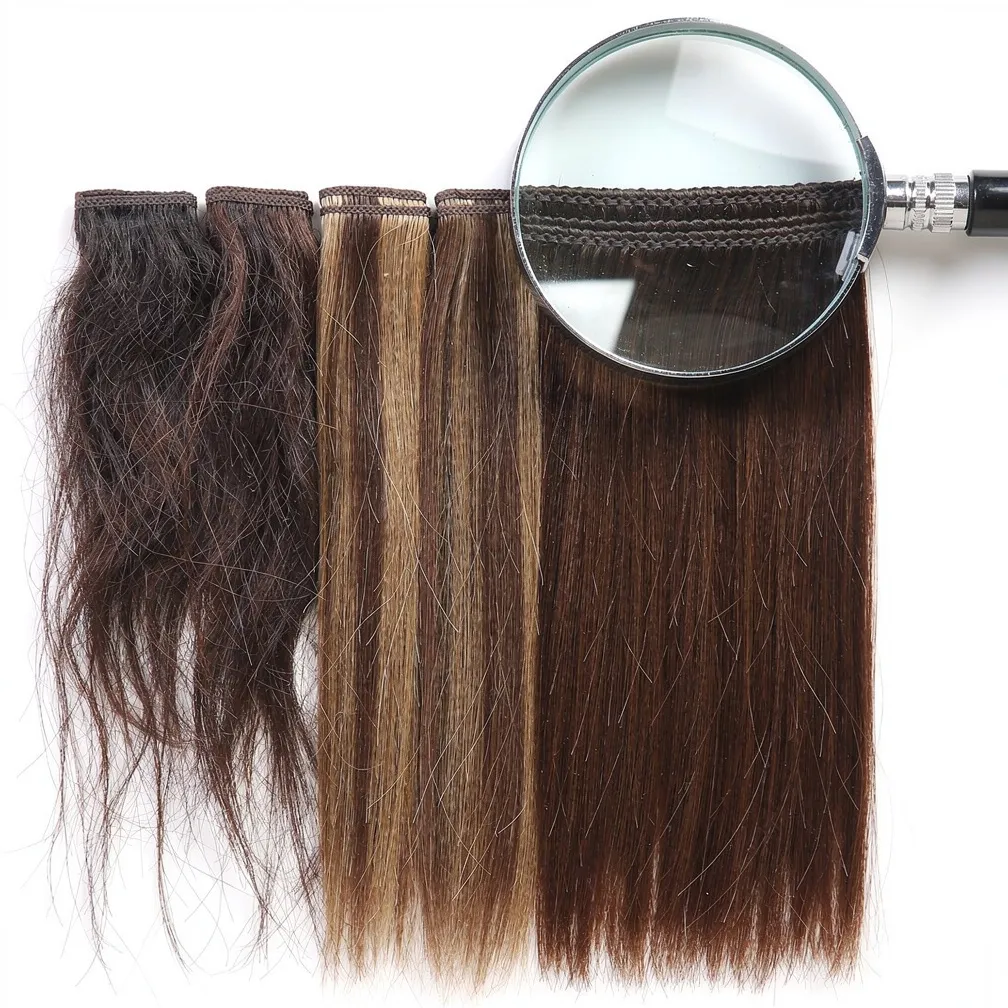
Hair Extension Quality Grading System
The hair extension quality grading system — the familiar parade of 7A, 8A, 9A, 10A, and even 12A labels seen on supplier websites and product listings worldwide — is one of the most misleading frameworks in the hair industry. For wholesale buyers making purchasing decisions based on these grade numbers, understanding what they do and do not mean is essential to avoid overpaying for mediocre product or unknowingly stocking low-quality hair. This guide debunks the grade number myth, explains the factors that genuinely determine hair extension quality, and provides a practical evaluation framework for B2B buyers.
Hair Extensions By Nature has been manufacturing and exporting Remy human hair extensions from Faridabad, India for years, supplying buyers across 40+ countries. Our approach to quality is based on real, measurable standards — not marketing labels. For buyers who want to go deeper on specific quality topics, we recommend our guides on cuticle aligned hair extensions, Remy vs virgin hair differences, and how to verify hair extension quality.
The Truth About Hair Extension Grade Numbers
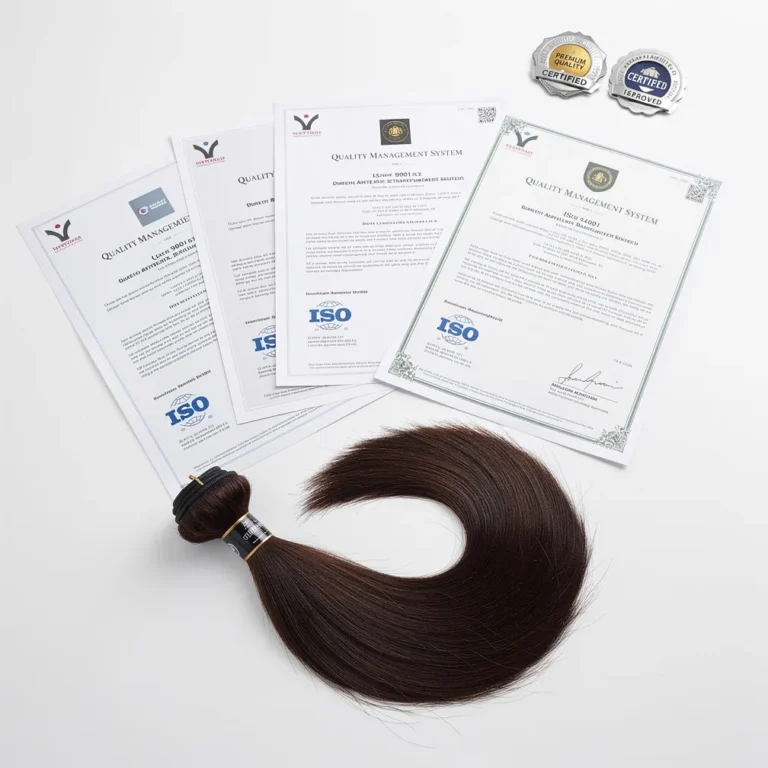
The A-grade numbering system — where a higher number supposedly indicates better quality — is not recognized, defined, or certified by any international standards body, government agency, or industry association. There is no ISO standard for hair extension grades. There is no trade association that certifies what “8A” or “10A” means. Every supplier who uses these labels is applying their own internal (and largely arbitrary) definition.
The practical consequences of this are significant:
Supplier A might define “7A” as single-drawn Remy hair with intact cuticles. Supplier B might define “9A” as processed hair with silicone coating. Supplier C might call the exact same product “10A” that Supplier A calls “7A.” There is no way for a buyer to compare these grades meaningfully across suppliers without examining the actual hair.
The grade inflation problem has worsened over time. In the early 2010s, most suppliers used grades from 5A to 7A. As competitive pressure increased, numbers began rising — first to 8A and 9A, then to 10A, 12A, and beyond. Some suppliers now advertise “14A” or “Virgin 12A” grades. The escalating numbers track marketing pressure, not quality improvement.
For buyers, the practical takeaway is clear: never select a hair extension supplier based on grade numbers. Use the actual quality determinants described in the sections below.
What Actually Determines Hair Extension Quality
Six genuine factors determine the quality and performance of a hair extension product. These factors are measurable, verifiable through sampling, and remain consistent regardless of what grade label a supplier chooses to apply.
Factor 1: Cuticle Integrity and Alignment
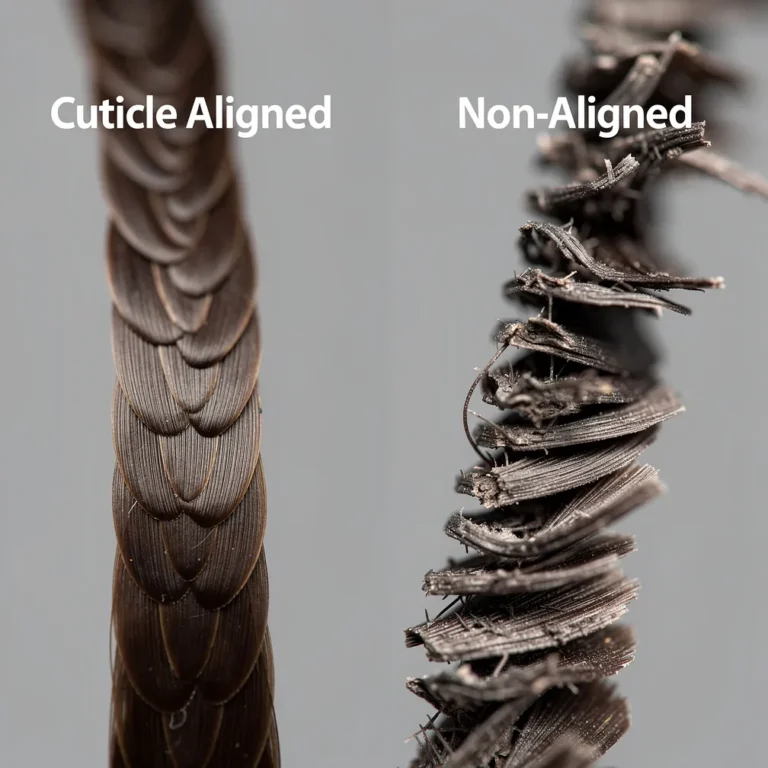
Cuticle alignment is the most important single quality factor in human hair extensions. The cuticle is the outer protective layer of each hair strand, composed of overlapping scales that run from root to tip. In healthy, naturally collected hair, all scales point in the same direction — from root toward tip.
When hair from multiple donors is mixed without regard for direction, or when hair collected from floors or brushes is used, cuticles from different strands conflict — some pointing up, some pointing down. These opposing cuticles interlock and cause tangling and matting during wear. This is the primary cause of the “sheds and tangles after first wash” complaint that plagues low-quality extensions.
Cuticle-aligned (Remy) hair has all cuticles consistently pointing root to tip. It does not tangle or mat under normal wear conditions. Our detailed guide on cuticle aligned hair extensions explains the detection tests buyers can use to verify cuticle integrity before ordering.
Factor 2: Donor Sourcing
Where the hair comes from — and how it was collected — profoundly affects quality. Single-donor hair, where an entire bundle comes from one person’s head, is the gold standard. It has consistent texture from root to tip, consistent color, and consistent curl pattern. Hair collected from South Indian temples is the most widely recognized single-donor hair globally.
Multi-donor hair is collected from multiple individuals and blended. Even when cuticles are aligned, variation in texture, porosity, and natural color across donors creates inconsistency in how the blended hair behaves after processing, coloring, or washing.
The worst raw material is “fallen” hair — collected from combs, brushes, and salon floors. This hair has random cuticle direction, no donor consistency, and is primarily used in low-cost, heavily processed products. It requires acid washing and silicone coating to appear smooth in its initial state but degrades rapidly with wear.
Factor 3: Processing Degree
The more processing a hair extension has undergone, the more its natural structural integrity has been compromised. Processing includes washing, coloring, texturing (perming for wave and curl patterns), bleaching, and chemical relaxing. Each process removes or damages the cuticle layer and alters the protein structure of the hair shaft.
Virgin hair (hair that has received no chemical processing beyond cleaning) maintains its original cuticle integrity. Remy virgin hair is the premium tier. Single-processed hair (e.g., colored once from natural to a dark shade) maintains reasonable quality. Multi-processed hair that has been bleached, colored, permed, or relaxed multiple times has significantly reduced quality regardless of what grade label is applied.
Factor 4: Draw Quality (Single vs Double Drawn)
The “draw” of a hair extension refers to the consistency of hair length throughout the weft or bundle. Single drawn hair contains a mixture of lengths — roughly 50% of the bundle is the stated length, with shorter hairs mixed throughout. Double drawn hair has been sorted so that the majority (75-85%) of hairs in the bundle are the full stated length, with very few short hairs.
Double drawn hair produces a visibly fuller, thicker result from root to tip. Single drawn hair appears thinner at the ends — the natural result of having shorter hairs blended in. For a detailed explanation with visual comparison, see our guide on single drawn vs double drawn hair.
Factor 5: Hair Weight and Density per Bundle
Bundle weight is a concrete, verifiable quality indicator. A 100g bundle should weigh 100 grams on a postal scale. Some suppliers short-weight bundles, delivering 90g or 85g while pricing for 100g. Always weigh sample bundles on an accurate postal scale before committing to volume orders.
Density within the bundle is equally important. High-quality wefts have hair uniformly distributed across the full length of the weft track. Low-quality wefts may have heavy, dense sections and sparse sections — creating a patchy result when installed.
Factor 6: Weft Construction Quality
For weft-based extensions, the construction of the weft itself matters. Machine wefts should have a tight, even stitch with no loose threads. Shedding from the weft edge is a sign of poor construction. Hand-tied wefts should have consistent, tight knots throughout. Any rolling, curling, or puckering of the weft indicates construction issues that will worsen with washing and installation.
Request quality-verified Remy hair extension samples — WhatsApp +91 9289358222
The Grade Label vs Real Quality: Comparison Table
| What Grade Labels Claim | What Grade Labels Actually Tell You | What You Should Evaluate Instead |
|---|---|---|
| “10A Grade” = highest quality | Nothing standardized | Cuticle alignment (Remy verification) |
| “Double Drawn 9A” = full, thick bundles | Double drawn is real — but the “9A” adds nothing | Actual bundle weight and draw quality |
| “Virgin 8A” = unprocessed hair | Virgin is a real descriptor — but not verified by the grade | Hair burn test, chemical processing history |
| “Raw 12A” = best raw material | Raw is a real descriptor — “12A” is meaningless | Donor sourcing (single vs multi-donor, temple vs mixed) |
| Higher grade number = longer lasting | No correlation — no grade = no standardization | Processing degree, cuticle integrity, weft construction |
| Grade from Supplier A = same as Grade from Supplier B | Completely false — no inter-supplier standard exists | Request samples from each supplier, test independently |
How Hair Extensions By Nature Grades Its Hair
Because the A-grade system is meaningless, we describe our hair using the actual quality descriptors that tell buyers what they need to know:
Raw Indian Temple Hair: Unprocessed, single-donor hair collected from South Indian temples. Cuticles fully intact and aligned root to tip. No washing, coloring, or chemical treatment beyond basic cleaning. This is our premium tier for buyers who want the highest possible starting quality for further processing.
Remy Virgin Hair: Single-donor or carefully sorted multi-donor hair with cuticles aligned and intact. Not chemically processed. Available in natural color only. The standard premium tier for most wholesale buyers.
Remy Processed Hair: Cuticle-aligned Remy hair that has undergone single-step processing — typically coloring to a specific shade (1B, 2, 4) or texturing (body wave, deep wave) by steam setting (not chemical treatment). Cuticle integrity is maintained through controlled processing.
All three tiers use verified Remy hair with consistent cuticle alignment. What differs is the degree of processing and the donor sourcing tier. We provide full transparency about which tier applies to any product on request.
How to Evaluate a Supplier’s Hair Quality Before Ordering
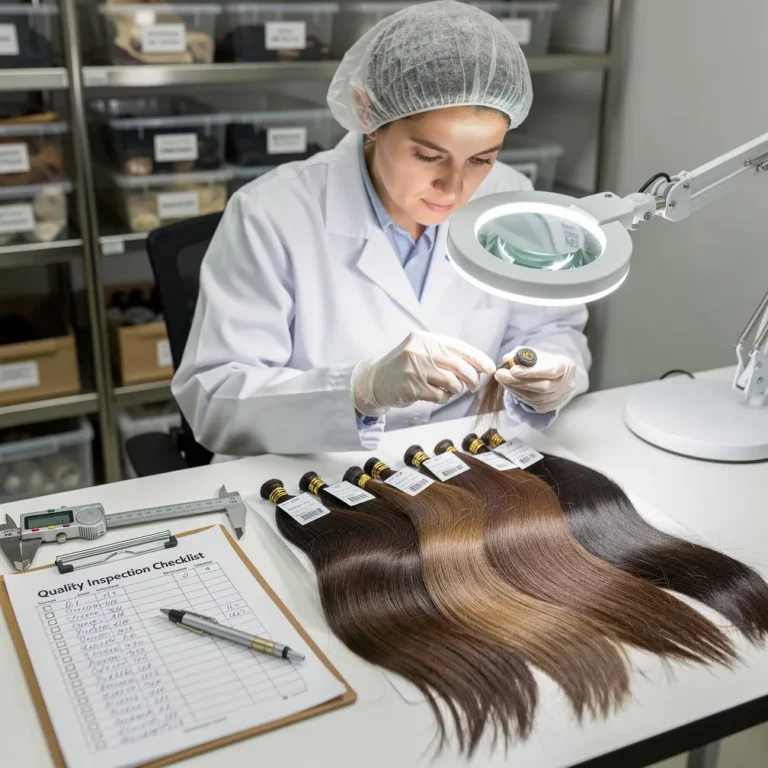
The following practical tests allow buyers to evaluate hair extension quality from any supplier, regardless of what grade claims are made:
| Test | Method | What to Look For | Pass Result |
|---|---|---|---|
| Cuticle direction test | Run thumb and forefinger from root to tip, then tip to root | Smooth in one direction, slightly rough in reverse | Smooth root-to-tip = cuticle aligned |
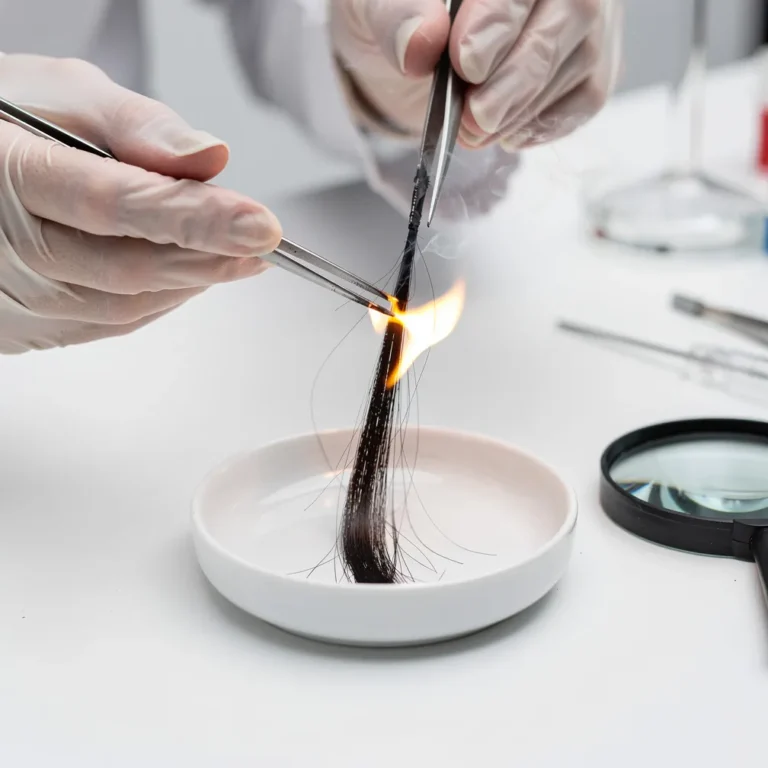
| Burn test | Burn a small sample with a lighter | Real hair burns slowly, smells like singed protein | Ash crumbles, no synthetic melting smell |
| Water test | Wet the bundle, air dry without product | Silicone coating washes off in water | Hair remains smooth and non-tangled when dry |
| Weight test | Weigh bundle on postal scale | 100g bundle should weigh 100g | Within 2-3g of stated weight |
| End density test | Examine the ends of the bundle | Ends should be nearly as thick as the top | Full ends = double drawn quality |
| Wash and wear test | Wash the sample, dry, and style twice | Hair should remain manageable after washing | No tangling, minimal shedding after 2 washes |
Frequently Asked Questions
Q: What does 10A or 12A grade mean?
Nothing standardized. These grades are not certified by any industry body. Every supplier defines them independently. A “10A” from one supplier can be lower quality than a “7A” from another. Evaluate actual quality factors — cuticle alignment, donor sourcing, processing degree — not grade numbers.
Q: What is the most important quality factor in hair extensions?
Cuticle alignment. Remy hair with all cuticles pointing root to tip does not tangle or mat. All other factors are secondary. Verify with the cuticle direction test before any volume order.
Q: How can silicone coating affect quality assessment?
Silicone coating makes low-quality hair feel smooth initially. It washes off in the first wash, revealing tangling and frizz. Always perform a water wash test on samples before committing to volume orders.
Order Quality-Verified Hair Extensions from Hair Extensions By Nature
We describe our hair using accurate quality terminology — Remy, virgin, raw, single-drawn, double-drawn — not arbitrary grade numbers. Every wholesale order is backed by our quality commitment: 100% Remy human Indian hair with cuticle alignment verified at our Faridabad factory.
- WhatsApp / Phone: +91 9289358222
- Email: info@hairextensionsbynature.com
- Factory: Booth No 71, Sector 16 Huda Market, Faridabad, Haryana, India – 121002
Request quality-verified samples with full product specifications — WhatsApp +91 9289358222
Start Your Hair Extensions Dropship Business
Zero inventory. Premium Indian Remy hair. Ship worldwide under your brand. MOQ as low as 5 pieces.