Wholesale Mono Base Wigs from India
Wholesale monofilament (mono base) wigs from Indian manufacturers are available at $80–$250 per unit for standard constructions, feature individually hand-knotted hair that appears to grow directly from the scalp with multi-directional parting capability, and are produced in full mono, partial mono, and mono-plus-lace-perimeter cap constructions for both medical and fashion applications. Monofilament wigs are the clinical standard in the medical hair loss channel — specifically for chemotherapy patients, alopecia universalis sufferers, and individuals experiencing significant hair loss from medical conditions — because they provide the most natural scalp appearance of any wig construction available and offer the greatest comfort for sensitive scalps that have lost all or most natural hair. The global medical wig market is growing at approximately 8–10% annually, driven by rising cancer treatment rates, growing awareness of alopecia as a medical condition warranting proper treatment and accommodation, and increasing insurance reimbursement for medical wigs in markets including the USA, Germany, and Australia. For salon owners, trichologists, medical hair specialists, and private label wig brands looking to enter or expand in this market, India offers both the manufacturing expertise and the pricing structure to make mono base wigs commercially viable at professional margins. This guide covers everything buyers need to know.
Hair Extensions By Nature manufactures mono base wigs and hairpieces at our factory in Faridabad, Haryana, India, supplying salon accounts, medical hair specialists, NGOs, and private label brands across more than 40 countries.
What Is a Monofilament (Mono) Base Wig?
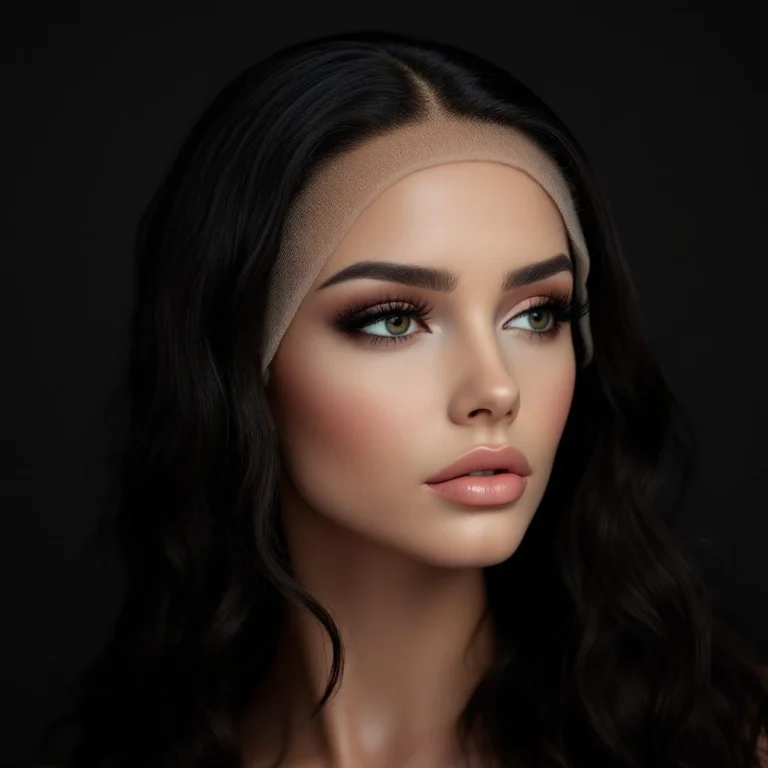
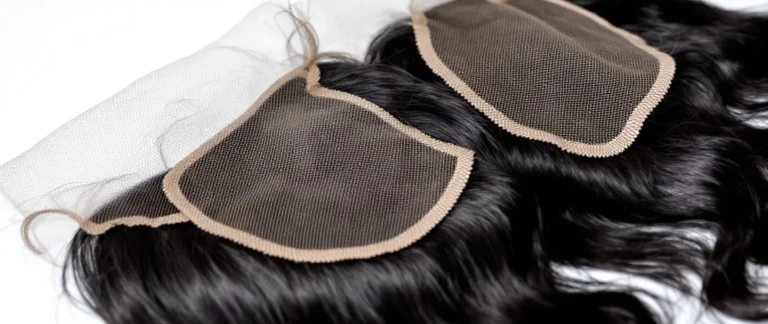
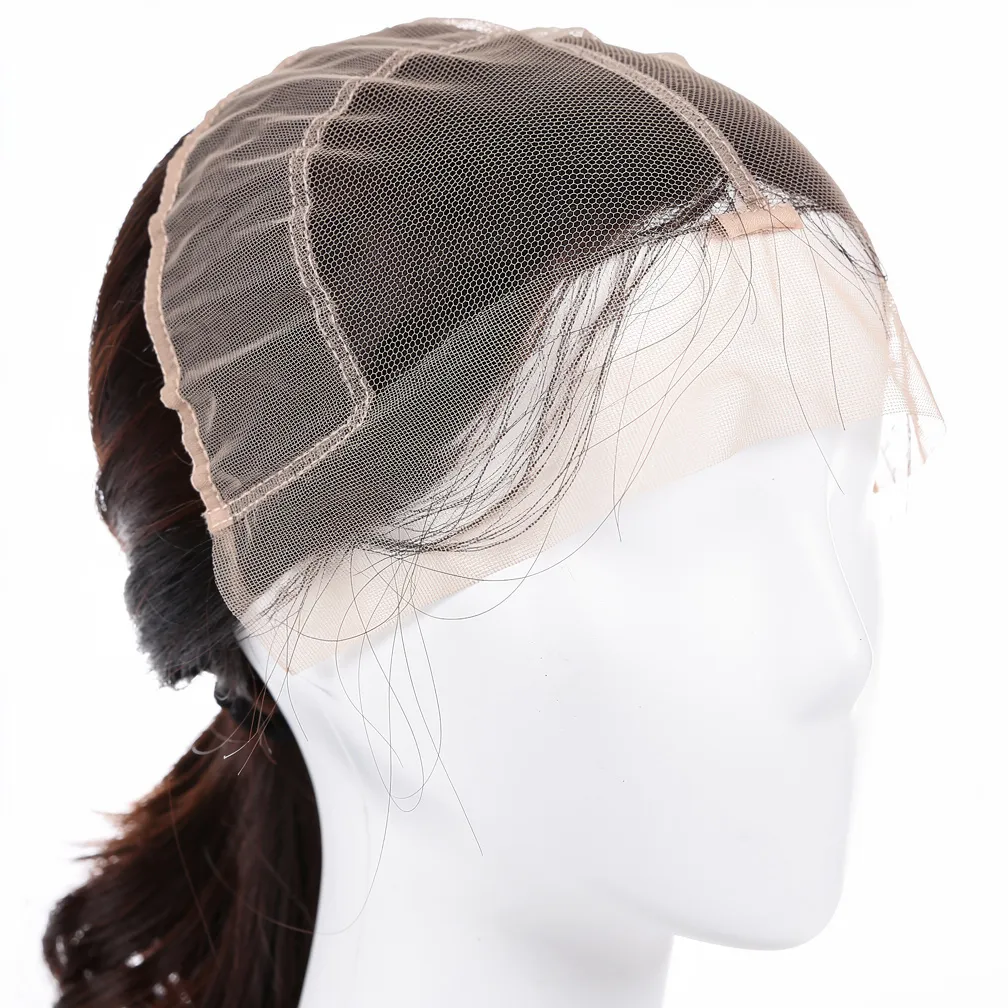
A monofilament wig cap uses a thin, sheer mesh fabric — monofilament — as the base through which each individual hair strand is hand-knotted. The monofilament material is thin enough to be transparent against the scalp, so the knotted hair appears to emerge directly from the skin rather than from a visible base material. This creates the most natural scalp appearance of any wig construction, with parting flexibility that allows the wig to be styled in multiple directions without revealing an artificial-looking weft or machine-sewn track.
The distinguishing characteristic of mono construction versus other cap constructions is this multi-directional parting capability. Machine-made wigs with sewn weft tracks can only be parted in one direction (or not at all without revealing the track). Lace wigs also offer multi-directional parting and a natural appearance, but lace is more delicate than monofilament and less appropriate for medical clients who need extended-wear durability. Mono base provides the combination of natural appearance, multi-directional styling, and robust durability that the medical channel specifically requires.
Mono Base vs Other Wig Constructions — Comparison
| Base Type | Construction | Scalp Appearance | Parting Flexibility | Comfort | Durability | India Wholesale Price | Best Application |
|---|---|---|---|---|---|---|---|
| Full Monofilament (Mono) | Entire cap in monofilament; all hair hand-knotted | Excellent throughout | Multi-directional everywhere | Excellent — very lightweight | High | $130–$250 | Medical; premium salon; alopecia |
| Partial Mono (Mono top) | Mono at crown/top; machine weft at sides and back | Excellent at top; good elsewhere | Multi-directional at top; fixed at sides/back | Good | Very High | $90–$160 | Versatile — most popular mid-range |
| Mono + Lace Front | Mono crown; lace at front hairline | Excellent at crown; natural hairline | Multi-directional at crown; flexible hairline | Excellent | High | $140–$230 | Medical + fashion; natural hairline required |
| Silk Base | Three-layer silk; concealed knots | Best of all — knots completely hidden | Multi-directional | Good | High | $160–$300 | Premium medical; maximum realism required |
| Lace Front Only | Lace at hairline; machine weft body | Natural hairline; visible weft elsewhere | Limited — at hairline only | Good | Moderate — lace delicate | $70–$140 | Fashion; occasional wear; not for medical |
| Machine-Made (Full Cap) | Sewn weft tracks throughout | Less natural; fixed parting only | Fixed — one direction | Moderate | Very High | $35–$80 | Budget; fashion; high-volume retail |
The Medical Wig Market — Why Mono Base Matters
The medical wig market encompasses several distinct client populations, each with specific needs that mono base construction is uniquely positioned to address.
Chemotherapy patients: Chemotherapy-induced alopecia (CIA) is the most common cause of complete hair loss requiring a medical wig. Chemotherapy patients typically lose all scalp hair within 2–4 weeks of beginning treatment. Their scalps are often sensitive, and comfort is a paramount concern — the wig must be lightweight, breathable, and gentle against a sensitive scalp without natural hair cushioning. Full mono cap construction, with its fine mesh base and hand-knotted hair that does not create bulk against the scalp, is the most appropriate and widely prescribed construction for this population. Many healthcare providers specifically recommend mono cap wigs for chemo patients.
Alopecia universalis / totalis patients: Complete hair loss from alopecia universalis requires a full wig, and the emotional stakes for these patients — many of whom are young and dealing with significant psychological impact — are extremely high. The natural appearance of a mono base wig is not a cosmetic preference but a clinical priority: a wig that looks obviously artificial increases stigma and reduces the patient’s confidence in public settings. Mono base, potentially with a lace front for hairline realism, is the appropriate standard of care for full alopecia patients.
Traction alopecia and scarring alopecia patients: These patients may have partial rather than complete hair loss, with irregular patterns, and the ability of mono base wigs to be styled in multiple directions to conceal irregular natural hair loss patterns is a practical clinical advantage.
Post-surgical or medical treatment patients: Patients recovering from scalp surgery, radiation, or other treatments that temporarily or permanently affect hair growth represent a significant market for rental and purchase wigs through hospital oncology departments, medical supply channels, and specialized wig retailers.
Looking to supply the medical wig market with mono base wigs? Contact us on WhatsApp for our medical wig catalogue, pricing, and MOQ information.
Ventilation Types in Mono Base Wig Construction
Ventilation in wig construction refers to how individual hair strands are attached to the cap base — different ventilation techniques create different density distributions and movement qualities.
Single knotted ventilation: Each hair strand is looped through the mono mesh once and knotted. Creates the most natural appearance (knots are minimal and least visible) but is less secure than double knotting. Appropriate for the main body of the cap where movement and natural appearance are most important.
Double knotted ventilation: Each hair strand is knotted twice, creating a more secure attachment. Slightly more visible as a knot but significantly more durable. Used in high-stress areas such as the nape of the neck and perimeter edges where the cap experiences the most tension and wear.
Bleached knots: The knots on the monofilament base can be bleached (lightened) to make them even less visible against the scalp. This adds cost (approximately 10–15% to base price) but significantly improves the appearance at the part line for clients requiring maximum realism.
Half knotted / directional ventilation: In some cap zones, ventilation is done directionally to guide how the hair falls in that area — for example, front sections may be ventilated to fall forward, side sections outward. This directional approach creates a more realistic natural growth pattern in the finished wig.
Hair Density in Mono Base Wigs
Density refers to the amount of hair per square inch of cap surface. Mono base wigs are available in the following standard densities.
Light density (60–80%): Appropriate for elderly clients or those who had naturally fine, thin hair before hair loss. Matches the density of a typical older adult’s natural hair and avoids the obviously artificial fullness of higher-density wigs. Particularly important for chemotherapy patients who want the wig to look like their own (pre-loss) hair, not like a fashion wig.
Medium density (100–120%): The standard density for most adult clients — corresponds to a natural, healthy head of hair for most adults under 50. Suitable for the majority of medical and fashion wig clients.
Full density (130–150%): Appropriate for younger clients who had naturally full hair, or for fashion applications where extra volume is desirable. Not typically recommended for elderly medical patients — looks artificial at these density levels when compared to age-appropriate natural hair.
A common error in medical wig fitting is recommending too-high density for elderly or subtle hair loss clients. The goal for medical wig fitting is to match the patient’s pre-loss hair appearance as closely as possible — which for most older patients means a lighter density, not maximum fullness.
Need density-specific mono wig samples? Message us on WhatsApp or email info@hairextensionsbynature.com to discuss sample ordering.
Customization for Medical Mono Base Wigs
The medical channel often requires customization options that go beyond standard stock wig specifications. Indian manufacturers are well-positioned to produce these custom configurations.
Custom cap sizing: Standard cap sizes (petite, average, large) cover most patients, but some medical clients — particularly those who have experienced head circumference changes related to treatment — require custom-measured caps. Indian manufacturers can produce custom cap circumferences from 19 to 24 inches, and can accommodate unusual head shapes with custom cap pattern adjustments.
Custom hair color: For patients seeking to match their pre-loss hair color precisely, custom color mixing is available. Provide a hair color match sample (even a small lock of the patient’s pre-loss hair from a photograph or a previous sample) and a custom color can be matched in the dye batch, minimum typically 3–5 units per color.
Custom hairline design: Natural hairlines are rarely perfectly symmetrical. For medical clients for whom hairline authenticity is critical, a custom hairline design — including recession patterns that match the client’s natural pre-loss hairline shape — can be specified in the cap pattern.
Custom ear tab and nape construction: Medical clients who have sensitivities to standard elastic or wig grip mechanisms can be accommodated with alternative attachment systems including velcro, hypoallergenic grip strips, or no-attachment (free-fit) cap constructions.
Wholesale Pricing for Mono Base Wigs from India
Wholesale prices from Indian manufacturers for mono base wigs reflect the labor-intensive hand-knotting construction and the quality of hair used. The following price ranges apply to standard virgin Remy hair constructions.
Partial mono cap (mono top, machine weft sides and back): $90–$160 per unit at 14–16 inches. Full mono cap: $130–$220 per unit at 14–16 inches. Full mono cap with lace front: $150–$250 per unit at 14–16 inches. Longer hair lengths (18–22 inches) command a 20–40% premium. Silk base wigs are priced at $160–$300 per unit. Raw single-donor hair in any construction commands an additional 25–40% over standard virgin Remy pricing.
Custom mono base wigs (non-standard cap, custom color, custom density) require a minimum order of 3–5 units per specification and carry a 15–25% customization premium over standard pricing, with a production lead time of 3–5 weeks from specification confirmation.
MOQ and Lead Times for Wholesale Mono Wig Orders
For standard mono base wig constructions in stock configurations, most Indian manufacturers have MOQs of 3–10 units per style. Ready-stock mono wigs in the most popular sizes and natural colors may be available with lower minimums or on a per-unit basis. For custom specifications, MOQ is typically 5–10 units with a production lead time of 3–5 weeks from specification confirmation and deposit receipt. Repeat orders of confirmed specifications can often be fulfilled in 2–3 weeks as manufacturers maintain the cap patterns and can prioritize repeat production.
Frequently Asked Questions
What makes a monofilament wig suitable for medical use?
Natural scalp appearance with multi-directional parting, lightweight construction comfortable against sensitive scalps, and durable extended-wear performance — all essential for chemotherapy and alopecia patients.
What is the wholesale price of mono base wigs from India?
$90–$160 for partial mono cap; $130–$220 for full mono cap; $150–$250 for full mono with lace front, at 14–16 inches in virgin Remy hair. Indian prices are typically 50–70% below US medical wig retail.
What density should I recommend for medical wig clients?
Match the patient’s pre-loss natural hair density. Most adults need 100–120% medium density. Elderly patients often need 60–80% light density. Avoid high-density (150%) fashion settings for medical patients — it looks artificial.
Can Indian manufacturers produce custom mono base wigs?
Yes — custom cap size, custom color, custom density, custom hairline, alternative attachment systems. MOQ 5–10 units, lead time 3–5 weeks from specification confirmation.
Order Wholesale Mono Base Wigs from Our Factory
Hair Extensions By Nature manufactures the full range of mono base, silk base, and lace front wigs at our factory in Faridabad, Haryana, India. We supply salon accounts, trichologists, medical hair specialists, and private label wig brands worldwide.
For our full wig range, read our wholesale wigs manufacturer guide.
Request our mono base wig catalogue and wholesale pricing: WhatsApp or email info@hairextensionsbynature.com.
Hair Extensions By Nature
Booth No 71, Sector 16 Huda Market, Faridabad, Haryana, India – 121002
Phone/WhatsApp: +91 9289358222
Start Your Hair Extensions Dropship Business
Zero inventory. Premium Indian Remy hair. Ship worldwide under your brand. MOQ as low as 5 pieces.