How to Dropship Hair
How to Dropship Hair Extensions — 2026 Beginner-to-Scale Playbook
Dropshipping hair extensions from India is a legal, viable D2C business model in 2026, despite persistent misinformation suggesting India banned it. Beginners start by selecting a niche and brand name, setting up a Shopify or WooCommerce store with 15 to 30 SKUs from an Indian supplier’s catalog, integrating supplier order-forwarding via CSV or API, running Instagram and TikTok marketing, pricing retail at 2.5 to 4x supplier cost, and scaling through influencer partnerships and salon affiliates. First-year realistic outcome is USD 30,000 to 150,000 gross revenue with USD 8,000 to 40,000 net profit for a part-time operator. Scale-phase operations (USD 500,000+ revenue) require 2 to 3 full-time team members. This guide is the beginner-to-scale playbook for starting in 2026.
Hair Extensions By Nature supports beginner dropshippers with 15-piece starter catalogs, Shopify-friendly SKU naming, and white-label packaging programs. This playbook reflects what we see working for our current D2C partners.
Starting your first dropship store? Request our Beginner Onboarding Kit — starter catalog, Shopify SKU CSV, pricing worksheet.
Step 1 — Niche and Brand
The single biggest mistake beginner dropshippers make is trying to sell “hair extensions” to everyone. Pick a specific niche:
- Bridal extensions: 18-24 inch Remy, natural color palette, premium pricing, wedding-season seasonality.
- Postpartum recovery hair: halo extensions for mothers experiencing postpartum thinning.
- Fashion color extensions: pastel, ombre, fantasy shades, younger Gen-Z customer.
- Professional salon-grade at home: tape-in and clip-in for DIY customers.
- Natural hair specific (African American market): specific texture and density positioning.
A focused niche makes Instagram content, ad targeting, and SKU curation straightforward. A generic brand requires 10x the marketing spend.
Step 2 — E-commerce Platform Setup
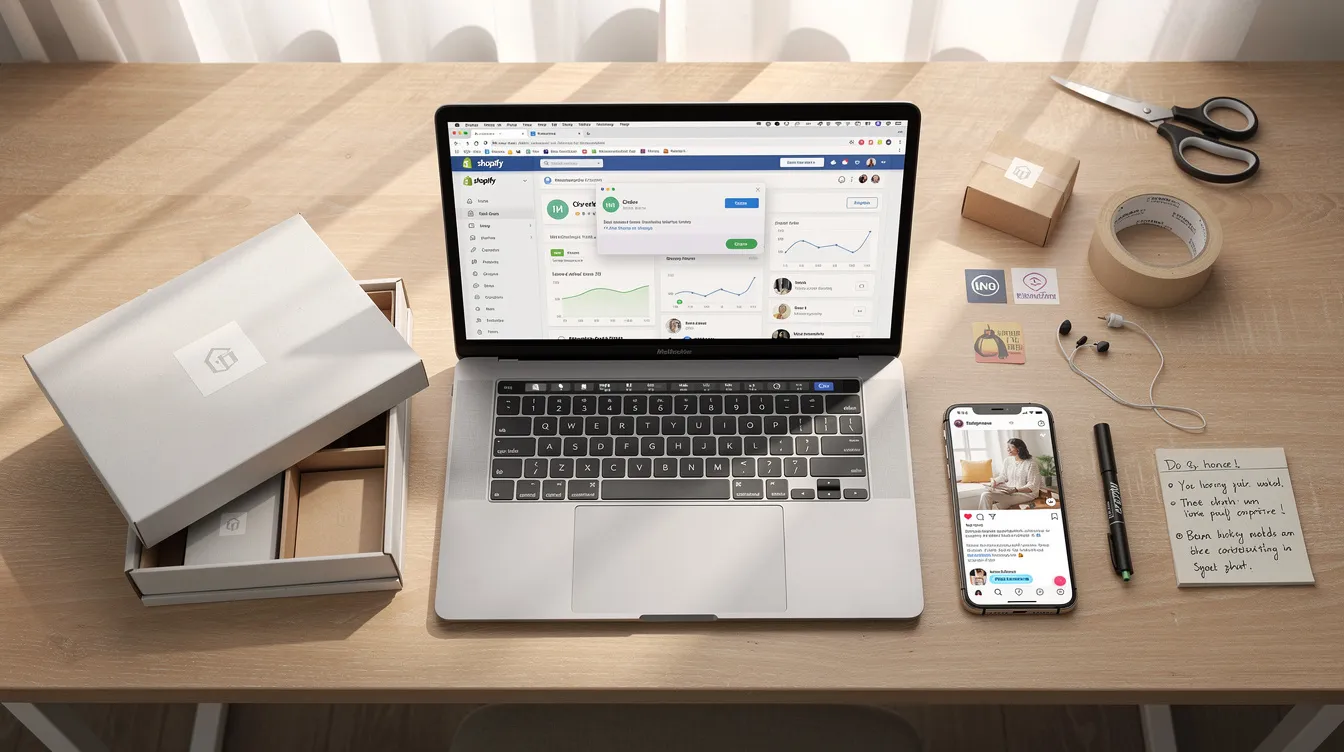
Shopify is the dominant beginner platform. USD 39/month (Basic Shopify) or USD 105/month (Shopify Plus for scale). Setup steps:
- Register domain (USD 12-15/year).
- Choose Shopify theme (Dawn free; premium USD 180-350).
- Install apps: email marketing (Klaviyo USD 45/month starter), reviews (Judge.me or Yotpo USD 15-50/month), and one analytics app.
- Connect Stripe or Shopify Payments (2.9 percent + USD 0.30 per transaction).
- Set up 15 to 30 SKUs from supplier catalog with branded product imagery.
Step 3 — Supplier Integration
Three ways to forward orders to your Indian supplier:
- Manual CSV export and email: Suitable for under 10 orders per day. Free.
- Shopify webhook + Zapier: Orders auto-forward to supplier. USD 20-50/month Zapier cost.
- Direct API integration: For USD 100k+ annual volume. Development cost USD 800-2,500 one-time.
Most beginners start with manual CSV and move to Zapier at 100+ monthly orders.
Step 4 — Marketing Mix
2026 hair extension D2C marketing typically splits as:
- Instagram + TikTok organic: 30-50 percent of traffic at breakeven marketing cost.
- Meta ads (Instagram + Facebook): 30-40 percent of traffic at CAC USD 30-70.
- TikTok ads: 10-20 percent of traffic at CAC USD 25-55.
- Influencer partnerships: 10-20 percent at cost per engagement basis.
- Email marketing (owned channel): 15-25 percent of revenue at USD 45/month tooling.
Step 5 — Unit Economics Math
Example unit economics for an 18-inch Remy clip-in 7-piece set:
- Supplier cost (dropship + fulfillment + shipping): USD 124.
- Retail price: USD 320.
- Payment processing: USD 13.
- CAC: USD 45.
- Email/tooling allocation: USD 4.
- Contribution margin: USD 134 per order, 42 percent.
At 5 orders per day × 30 days: 150 orders × USD 134 = USD 20,100 monthly contribution margin, or USD 241,200 annually at steady state. Before fixed costs (payroll, office), this is the beginner-scale achievable outcome.
Step 6 — Common First-Year Mistakes
Patterns we see in beginner dropshippers who fail:
- Over-broad SKU mix. 100+ SKUs on day 1 dilutes ad targeting and inventory focus. Start with 15-30.
- Under-pricing. Pricing at 2x wholesale does not cover CAC. Minimum 2.5x; aim for 3x.
- Skipping samples. Launching without testing supplier product kills customer trust on first defect.
- Slow customer service. Customers expect 24-hour response. Missing this drives refund rates above 15 percent.
- No email list. Ignoring email means you re-acquire every customer at USD 45+ CAC.
Scaling Beyond USD 500,000
Once monthly revenue consistently exceeds USD 40,000, scaling requires:
- Customer support hire (full-time) at USD 30,000-50,000 per year.
- Inventory position — pre-buy 2-3 months stock to reduce supplier lead time and unlock 5-10 percent volume discount.
- Brand photography budget USD 3,000-8,000.
- Influencer partnership program manager (part-time) USD 1,500-3,000/month.
- Proper CRM (Klaviyo upgrade to USD 200-400/month tier).
Why Source From Hair Extensions By Nature?
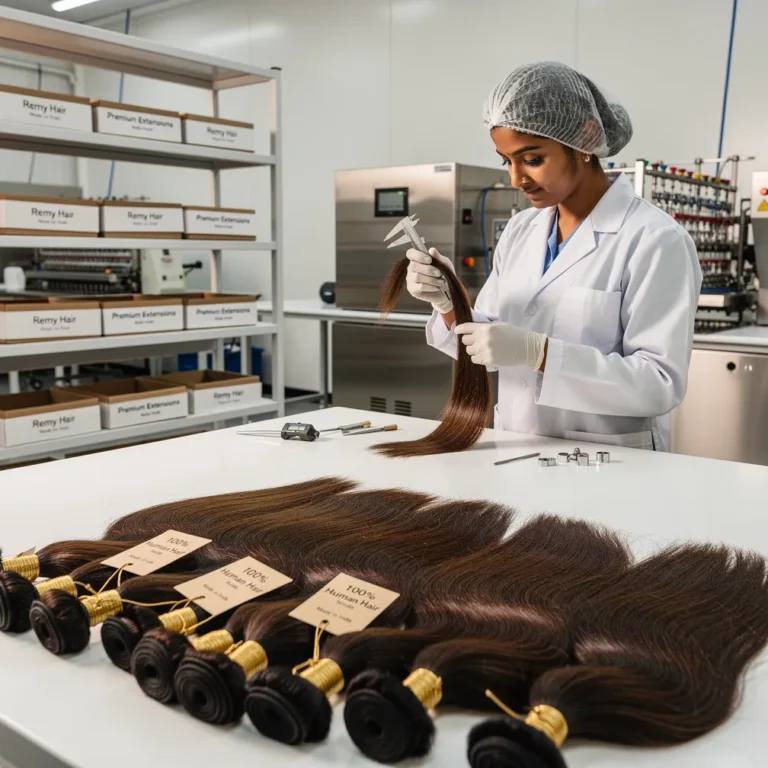
Hair Extensions By Nature’s dropship program is beginner-friendly. Starter catalog has 15 carefully-curated SKUs across clip-in, tape-in, halo, and wig formats. Packaging is white-label-ready from order 2 onwards. Shopify-friendly SKU naming and descriptions. Our beginner D2C partners typically scale from 0 to USD 50,000 annual revenue in year 1 on our starter program.
Frequently Asked Questions
Is dropshipping hair extensions from India really legal in 2026?
Yes. Finished hair extensions under HS 6703 ship freely. India has not introduced any dropship-specific prohibition. The “India banned it” claim is marketing misinformation from competing Chinese or Vietnamese suppliers.
How much money do I need to start dropshipping hair extensions?
USD 1,500 to 3,500 covers Shopify (first 3 months), sample kits from 2-3 suppliers, basic brand photography, domain and initial Meta ad budget. Dropshipping removes inventory investment but does not remove marketing and tooling costs.
How long before I make my first sale?
With focused Instagram content and a USD 500 initial ad budget, most beginners make first sale within 2-4 weeks of launch. Breakeven on setup costs typically in month 3-6.
What is a realistic first-year revenue target?
USD 30,000 to 150,000 gross for a part-time operator. USD 150,000 to 400,000 for full-time dedicated operators. Higher revenue requires proportionally more ad spend and customer service infrastructure.
Can I run a dropship store alongside a full-time job?
Yes, especially in year 1. Budget 10-15 hours per week during launch, dropping to 5-10 hours per week once operations stabilize. Full-time attention becomes necessary when monthly orders exceed 50.
Which Indian dropship supplier should I choose?
Pick a supplier that passes the 12-red-flag vetting checklist, offers white-label packaging, has beginner-friendly MOQs, and commits to 2-3 day ship-cutoff SLA. Interview 2-3 suppliers with sample orders before committing.
What happens if a customer wants a refund?
Brand handles return logistics with customer (you are the face of the brand). Document the defect or quality issue with photos. Supplier typically credits on next order within 30 days. Keep a small reserve (5-10 percent of revenue) for refunds that supplier does not credit.
Ready to Launch Your Dropship Store?
Request Beginner Onboarding Kit →
info@hairextensionsbynature.com or quote request form.
Hair Extensions By Nature — Manufacturer and Exporter of Premium Indian Human Hair Extensions. Factory: Booth No 71, Sector 16 Huda Market, Faridabad, Haryana, India — 121002. Serving salons, distributors, and brands in 40+ countries.
Start Your Hair Extensions Dropship Business
Zero inventory. Premium Indian Remy hair. Ship worldwide under your brand. MOQ as low as 5 pieces.